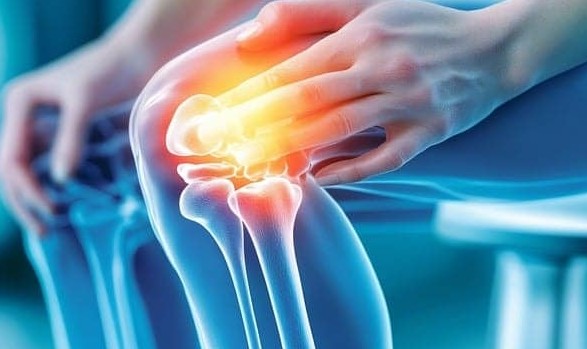
Joint Pain in Men: Causes, Early Signs and Effective Treatment Options for Arthritis
Early Arthritis Signs in Men and Effective Joint Pain Care
Joint pain is a growing concern among men of all age groups. From young professionals dealing with long sitting hours to older adults experiencing age-related wear and tear, joint discomfort can affect daily activities and overall quality of life. Many men ignore early symptoms, assuming pain is a temporary result of physical work or exercise. However, persistent joint stiffness and swelling may indicate arthritis or other underlying health conditions.
Understanding the causes, recognizing early warning signs and adopting effective treatment strategies can help men maintain mobility, strength and independence. Early intervention often prevents long-term complications and improves recovery outcomes.
This comprehensive guide explores common causes of joint pain in men, early symptoms of arthritis and practical treatment options including lifestyle changes, medical care and preventive strategies.
Understanding Joint Pain and Arthritis
Joints connect bones and allow movement. They contain cartilage, ligaments, tendons and synovial fluid that help maintain flexibility and stability. When these structures become inflamed or damaged, pain and stiffness may develop.
Arthritis refers to a group of conditions that cause inflammation and degeneration in joints. Common types affecting men include:
-
Osteoarthritis
-
Rheumatoid arthritis
-
Gout
-
Psoriatic arthritis
-
Post-traumatic arthritis
Each type has unique causes but shares similar symptoms such as swelling, reduced mobility and discomfort.
Common Causes of Joint Pain in Men
Joint pain can result from multiple factors, including lifestyle habits, injuries and medical conditions.
Age-Related Wear and Tear
As men grow older, cartilage gradually breaks down, increasing friction between bones. This natural process often leads to osteoarthritis.
Sports Injuries and Physical Strain
High-impact activities, weightlifting and repetitive movements can stress joints, causing inflammation and long-term damage.
Obesity and Excess Body Weight
Extra weight places additional pressure on knees, hips and lower back, increasing the risk of joint problems.
Sedentary Lifestyle
Long sitting hours and lack of movement weaken muscles that support joints, leading to stiffness and reduced flexibility.
Autoimmune Conditions
Diseases like rheumatoid arthritis occur when the immune system attacks joint tissues, causing inflammation and pain.
Nutritional Deficiencies
Low levels of vitamin D, calcium or magnesium may weaken bones and increase susceptibility to joint issues.
Early Signs of Arthritis Men Should Not Ignore
Recognizing symptoms early allows timely treatment and better management.
Persistent Joint Pain
Pain lasting more than a few weeks may indicate underlying inflammation.
Morning Stiffness
Difficulty moving joints after waking up is a common early sign of arthritis.
Swelling and Tenderness
Inflamed joints may appear swollen or feel warm to touch.
Reduced Range of Motion
Limited flexibility or discomfort during movement suggests joint deterioration.
Fatigue and Weakness
Chronic inflammation can cause overall tiredness and reduced strength.
Ignoring these symptoms may lead to progressive joint damage.
Risk Factors That Increase Arthritis in Men
Certain factors increase the likelihood of developing joint problems.
-
Aging and genetic predisposition
-
Previous injuries or fractures
-
High-intensity sports without proper recovery
-
Smoking and excessive alcohol consumption
-
Chronic stress and poor sleep habits
-
Poor posture and improper lifting techniques
Addressing risk factors early can prevent long-term complications.
Medical Diagnosis and Evaluation
Proper diagnosis is essential for identifying the type and severity of arthritis.
Healthcare professionals may recommend:
Early evaluation helps create a personalized treatment plan.
Effective Treatment Options for Joint Pain and Arthritis
Medications
Doctors may prescribe anti-inflammatory drugs, pain relievers or disease-modifying medications depending on the condition.
Physical Therapy
Structured exercises strengthen muscles around joints and improve mobility.
Lifestyle Modifications
Maintaining a healthy weight and staying physically active reduces joint stress.
Assistive Devices
Knee braces or ergonomic supports can reduce strain during movement.
Surgical Procedures
In severe cases, joint replacement or corrective surgery may be considered.
Treatment plans vary based on individual needs and severity.
Natural and Home Remedies for Joint Pain Relief
While medical care is essential, natural strategies may complement treatment.
-
Warm compresses to reduce stiffness
-
Cold therapy for swelling
-
Gentle stretching routines
-
Turmeric and ginger in diet
-
Omega-3 rich foods such as fish or flaxseeds
These methods may help manage mild symptoms.
Importance of Exercise for Joint Health
Regular physical activity improves flexibility and strengthens supporting muscles.
Low-Impact Exercises
-
Walking
-
Swimming
-
Cycling
-
Yoga
Strength Training
Light resistance training improves joint stability and prevents injuries.
Flexibility Workouts
Stretching exercises maintain mobility and reduce stiffness.
Consistency is key to maintaining joint health.
Nutrition Tips for Healthy Joints
Balanced nutrition plays a vital role in managing arthritis.
Anti-Inflammatory Foods
-
Green leafy vegetables
-
Berries
-
Nuts and seeds
-
Whole grains
-
Olive oil
Essential Nutrients
-
Calcium for bone strength
-
Vitamin D for joint health
-
Magnesium for muscle function
-
Protein for tissue repair
Avoid excessive processed foods and sugary drinks that may increase inflammation.
Role of Rest and Recovery
Overuse injuries can worsen joint pain. Adequate rest helps tissues heal and reduces inflammation.
-
Alternate intense workouts with recovery days
-
Maintain good sleep hygiene
-
Practice relaxation techniques to reduce stress
Recovery supports long-term joint health.
Preventive Measures for Long-Term Joint Health
Prevention is often more effective than treatment.
-
Maintain a healthy body weight
-
Practice proper posture
-
Warm up before exercise
-
Use ergonomic workstations
-
Avoid sudden intense physical strain
-
Stay physically active daily
Small lifestyle adjustments can significantly reduce joint problems.
Mental and Emotional Impact of Chronic Joint Pain
Persistent pain may affect mental health and daily functioning.
Seeking support from healthcare professionals and family members helps maintain emotional balance.
When to Seek Professional Medical Help
Men should consult a doctor if they experience:
-
Severe or persistent joint pain
-
Swelling lasting more than a few days
-
Sudden loss of joint function
-
Fever along with joint discomfort
-
Difficulty performing daily activities
Early medical care prevents complications and improves treatment outcomes.
Long-Term Benefits of Early Arthritis Management
Men who address joint pain early often experience:
-
Improved mobility and flexibility
-
Reduced pain intensity
-
Better physical performance
-
Lower risk of joint deformities
-
Enhanced quality of life
-
Greater independence in daily tasks
Proactive care supports long-term health and activity.
Final Thoughts
Joint pain and arthritis can affect men at any stage of life, but early awareness and proper management make a significant difference. Understanding causes, recognizing early symptoms and following effective treatment strategies help maintain strong and healthy joints.
Combining medical guidance with regular exercise, balanced nutrition and preventive lifestyle habits allows men to stay active and reduce the risk of long-term complications. Rather than ignoring early signs, adopting proactive health measures ensures better mobility, improved strength and a higher quality of life for years to come.
Medical Disclaimer:
The information provided on Daksho is for educational and informational purposes only and is not a substitute for professional medical advice, diagnosis, or treatment. Always seek the advice of a qualified healthcare provider with any questions regarding a medical condition. Never ignore professional medical advice because of content you read on this website.
Reviewed by: Daksho Health Editorial Team
Last Updated: 09 Feb, 2026