Stress and Anxiety in Women: Health Effects and Management
Understanding Stress and Anxiety in Women and How to Manage It
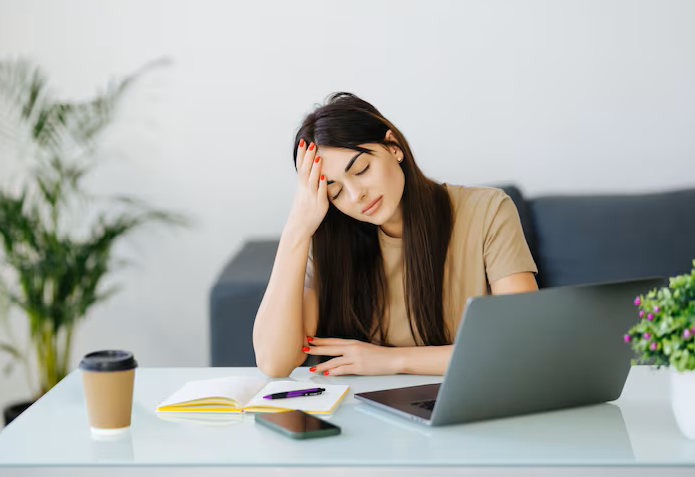
Stress and anxiety are common experiences for women, influenced by hormonal changes, work pressure, family responsibilities, and lifestyle factors. While occasional stress is normal, chronic stress and anxiety can lead to serious physical and mental health issues.
Understanding the causes, effects, and management strategies of stress and anxiety is essential for maintaining overall health. This article explains stress and anxiety in women in simple, natural language, offering practical tips for relief and long-term well-being.
What Are Stress and Anxiety?
-
Stress: The body’s natural response to challenges or demands. Short-term stress can motivate action, but chronic stress affects health.
-
Anxiety: A feeling of persistent worry or fear that may not have a clear cause. Chronic anxiety can interfere with daily life.
Women may experience unique stressors due to hormonal fluctuations, caregiving responsibilities, and social pressures, making them more prone to anxiety disorders.
Common Causes of Stress and Anxiety in Women
1. Hormonal Changes
-
Puberty, menstruation, pregnancy, and menopause can impact mood and anxiety levels
-
Hormonal imbalance may amplify emotional responses
2. Work and Career Pressure
-
Balancing work, career growth, and family responsibilities
-
Deadlines, performance expectations, and multitasking increase stress
3. Family and Relationship Issues
-
Parenting, eldercare, marital challenges, and social expectations
-
Emotional stress from conflicts or lack of support
4. Health Concerns
-
Chronic illnesses, reproductive health issues, and fatigue
-
Fear of illness or medical procedures
5. Lifestyle Factors
-
Poor sleep, unhealthy diet, and lack of exercise
-
Excessive use of technology and social media
6. Traumatic Events
-
Loss of a loved one, accidents, abuse, or major life changes
-
Can trigger long-term anxiety and post-traumatic stress
Symptoms of Stress and Anxiety in Women
Stress and anxiety affect both physical and mental health. Common symptoms include:
Physical Symptoms:
-
Headaches or migraines
-
Muscle tension, back, or neck pain
-
Fatigue and low energy
-
Digestive issues like nausea, bloating, or diarrhea
-
Rapid heartbeat or palpitations
-
Sleep disturbances, insomnia, or frequent waking
Mental and Emotional Symptoms:
-
Persistent worry or fear
-
Irritability or mood swings
-
Difficulty concentrating or memory issues
-
Feeling overwhelmed or restless
-
Panic attacks in severe anxiety
Recognizing these symptoms early helps prevent chronic health problems and manage stress effectively.
Health Effects of Chronic Stress and Anxiety in Women
Chronic stress and anxiety can impact several aspects of health:
1. Mental Health Issues
-
Depression, panic disorders, and emotional burnout
-
Reduced self-esteem and confidence
2. Reproductive Health
3. Cardiovascular Health
4. Immune System
5. Digestive System
6. Sleep Disorders
Management and Treatment of Stress and Anxiety
1. Lifestyle Changes
-
Regular exercise: Yoga, walking, or aerobics reduce stress hormones
-
Balanced diet: Include fruits, vegetables, lean protein, and omega-3 fatty acids
-
Sleep hygiene: 7–8 hours of quality sleep with a regular schedule
2. Relaxation Techniques
-
Deep breathing exercises or diaphragmatic breathing
-
Meditation and mindfulness: Reduces anxiety and improves focus
-
Progressive muscle relaxation: Relieves physical tension
3. Social Support
-
Talk to friends, family, or support groups
-
Sharing concerns reduces emotional burden
-
Seek mentorship or counseling for professional stress
4. Professional Therapy
-
Cognitive-behavioral therapy (CBT): Helps manage negative thoughts
-
Psychotherapy: Explores root causes of anxiety
-
Medication: Antidepressants or anti-anxiety drugs may be prescribed in severe cases
5. Natural Remedies
-
Herbal teas like chamomile, peppermint, or lavender
-
Aromatherapy with essential oils for relaxation
-
Journaling to express emotions and reduce mental clutter
6. Time Management
-
Prioritize tasks and avoid multitasking overload
-
Take regular breaks and avoid overcommitment
-
Practice self-care and hobbies to recharge
Tips for Daily Stress Reduction
-
Start the day with morning stretches or meditation
-
Avoid excessive caffeine, alcohol, and nicotine
-
Practice gratitude journaling for positive mindset
-
Engage in hobbies, reading, or creative activities
-
Spend time in nature to reduce tension and anxiety
-
Limit screen time and social media exposure
When to Seek Medical Help
Consult a healthcare provider if:
-
Anxiety or stress affects daily functioning
-
Panic attacks occur frequently
-
Persistent insomnia or fatigue despite lifestyle changes
-
Depression, mood swings, or suicidal thoughts appear
-
Physical symptoms like heart palpitations or digestive issues persist
Early intervention ensures effective management and prevents long-term complications.
Conclusion
Stress and anxiety in women are common but manageable with awareness, lifestyle changes, and professional support. Chronic stress can impact mental, physical, and reproductive health, making timely management crucial.
By adopting healthy habits, relaxation techniques, social support, and medical guidance, women can reduce stress, improve emotional well-being, and maintain overall health. Awareness and proactive care empower women to live a balanced, confident, and stress-free life.
Medical Disclaimer:
The information provided on Daksho is for educational and informational purposes only and is not a substitute for professional medical advice, diagnosis, or treatment. Always seek the advice of a qualified healthcare provider with any questions regarding a medical condition. Never ignore professional medical advice because of content you read on this website.
Reviewed by: Daksho Health Editorial Team
Last Updated: 26 Dec, 2025