7-Day Indian Weight Loss Meal Plan with Breakfast, Lunch, Dinner & Snacks
Healthy Indian Meals for 7 Days to Burn Fat Naturally
Losing weight effectively requires balanced meals, portion control, and nutrient-rich foods. Many people in India struggle with diets that are either boring or hard to stick to. The solution? A 7-day Indian weight loss meal plan that is simple, flavorful, and includes all meals of the day—breakfast, lunch, dinner, and snacks.
This meal plan is designed to help you burn fat naturally, manage appetite, and boost metabolism, using everyday Indian ingredients. Each meal is low in calories, rich in protein and fiber, and incorporates metabolism-friendly spices.
How to Use This Meal Plan
-
Follow small, frequent meals instead of large portions.
-
Drink 8–10 glasses of water daily.
-
Avoid deep-fried, sugary, and processed foods.
-
Include mild exercise or walking to accelerate results.
-
Adjust portion sizes based on your calorie needs.
7-Day Indian Weight Loss Meal Plan
Day 1
Breakfast: Moong Dal Chilla with coriander chutney
Mid-Morning Snack: 10 roasted almonds + 1 cup green tea
Lunch: Quinoa Vegetable Salad with cucumber, tomato, and carrot
Evening Snack: 1 small bowl of roasted chana
Dinner: Lauki (Bottle Gourd) & Moong Dal Curry + 1 small chapati
Day 2
Breakfast: Oats Upma with carrots and peas
Mid-Morning Snack: 1 apple + 1 tsp chia seeds
Lunch: Brown Rice with stir-fried vegetables (beans, zucchini, bell peppers)
Evening Snack: 1 cup low-fat curd with a pinch of cinnamon
Dinner: Palak Soup + 1 grilled paneer slice
Day 3
Breakfast: Vegetable Poha with minimal oil and lemon juice
Mid-Morning Snack: 1 small bowl watermelon cubes
Lunch: Whole wheat roti + Bottle Gourd & Carrot Sabzi
Evening Snack: 1 cup green tea + 10 walnuts
Dinner: Grilled Fish or Tofu + Steamed Vegetables (carrot, beans, zucchini)
Day 4
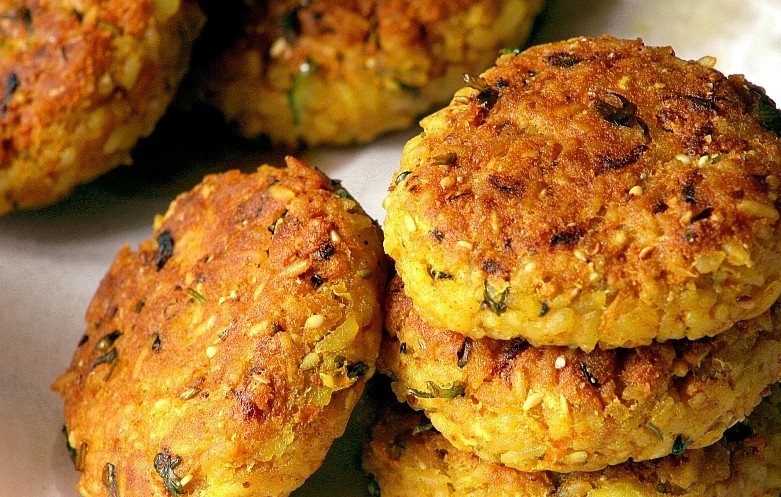
Breakfast: Besan (Chickpea Flour) Pancakes with spinach
Mid-Morning Snack: 1 orange or 1 cup papaya cubes
Lunch: Quinoa Vegetable Pulao with peas and bell peppers
Evening Snack: 1 cup roasted makhana (fox nuts)
Dinner: Cucumber & Mint Salad + 1 bowl moong dal soup
Day 5
Breakfast: Ragi Dosa with coconut chutney (no onion/garlic)
Mid-Morning Snack: 1 handful roasted pumpkin seeds
Lunch: Grilled Paneer Salad with lettuce, tomato, cucumber
Evening Snack: 1 cup green smoothie (spinach + apple + chia)
Dinner: Lauki & Moong Dal Soup + 1 small chapati
Day 6
Breakfast: Sprouts Salad with tomato, cucumber, lemon juice
Mid-Morning Snack: 10 almonds + 1 cup green tea
Lunch: Brown Rice + Stir-Fried Mixed Vegetables with turmeric
Evening Snack: 1 small bowl curd with flaxseeds
Dinner: Grilled Fish or Tofu with Steamed Broccoli & Carrots
Day 7
Breakfast: Vegetable Upma with oats + a pinch of black pepper
Mid-Morning Snack: 1 small banana + 1 tsp peanut butter
Lunch: Quinoa & Lentil Salad with lemon dressing
Evening Snack: 1 small bowl roasted chana or makhana
Dinner: Palak Soup + Grilled Paneer/Tofu
Tips for Maximum Results on This Meal Plan
-
Cook with minimal oil – Prefer olive oil, mustard oil, or coconut oil in small amounts.
-
Avoid fried snacks and sweets – Stick to roasted, steamed, or grilled options.
-
Include metabolism-friendly spices – Turmeric, cinnamon, ginger, cumin help fat burn.
-
Stay hydrated – Water, herbal teas, and infused water help flush toxins.
-
Exercise daily – 30–40 minutes of walking, yoga, or light workouts enhance fat loss.
-
Don’t skip meals – Eating at regular intervals keeps metabolism active.
-
Control portions – Use smaller plates and focus on balance rather than large servings.
Conclusion
This 7-day Indian weight loss meal plan provides a perfect balance of protein, fiber, and low-calorie meals while keeping your taste buds happy. With simple, home-friendly recipes for breakfast, lunch, dinner, and snacks, you can burn fat naturally and maintain energy throughout the day.
Consistency is key—follow this plan, stay hydrated, and include light physical activity to see sustainable weight loss results.
Medical Disclaimer:
The information provided on Daksho is for educational and informational purposes only and is not a substitute for professional medical advice, diagnosis, or treatment. Always seek the advice of a qualified healthcare provider with any questions regarding a medical condition. Never ignore professional medical advice because of content you read on this website.
Reviewed by: Daksho Health Editorial Team
Last Updated: 05 Feb, 2026