How Men Can Control Blood Sugar Naturally: Diet, Exercise and Lifestyle Changes for Diabetes
Natural Strategies for Men to Manage Blood Sugar Effectively
Diabetes is a growing concern for men in India, especially with sedentary lifestyles, unhealthy eating habits, and stress. High blood sugar, if unmanaged, can lead to serious complications such as heart disease, kidney problems, nerve damage, and sexual health issues.
The good news is that men can control blood sugar naturally through simple, practical lifestyle modifications without relying solely on medications. This comprehensive guide explains how diet, exercise, and daily habits can help manage diabetes effectively.
Understanding Diabetes and Blood Sugar in Men
Diabetes is a condition where the body struggles to regulate glucose (sugar) levels in the blood. There are mainly two types:
-
Type 1 Diabetes: Autoimmune disease where the pancreas produces little or no insulin.
-
Type 2 Diabetes: More common in men, caused by insulin resistance often linked to lifestyle and genetics.
Men are particularly prone to abdominal obesity, which increases insulin resistance and the risk of diabetes. Early action is crucial to avoid long-term complications.
Early Signs of High Blood Sugar in Men
Detecting diabetes early helps prevent damage to organs and nerves. Common warning signs include:
-
Frequent Urination and Excess Thirst: Kidneys work harder to remove excess glucose.
-
Fatigue and Low Energy: Cells cannot use glucose efficiently for energy.
-
Unexplained Weight Changes: Sudden loss or gain of weight can indicate blood sugar imbalance.
-
Blurred Vision: High glucose levels affect eye health.
-
Slow Healing Wounds and Frequent Infections: Elevated sugar affects immunity.
-
Sexual Health Issues: Erectile dysfunction and low libido may be related to diabetes.
-
Tingling or Numbness in Limbs: Early signs of neuropathy.
If these symptoms appear, getting a blood glucose test is strongly recommended.
Key Risk Factors for Diabetes in Men
Understanding what increases your risk can help in prevention and management:
-
Sedentary Lifestyle: Lack of exercise reduces insulin sensitivity.
-
Unhealthy Diet: Excess sugar, refined carbs, fried foods, and processed snacks spike blood sugar.
-
Central Obesity: Belly fat increases hormonal imbalance and insulin resistance.
-
Family History: Genetic predisposition plays a role.
-
Age: Risk rises after 35 due to slower metabolism.
-
Smoking and Alcohol: Both impair blood sugar control and cardiovascular health.
-
Stress and Poor Sleep: Chronic stress elevates cortisol, increasing sugar levels.
How Diabetes Impacts Men’s Health
Unchecked diabetes can have serious effects:
-
Heart Disease: Blood sugar spikes damage blood vessels, leading to hypertension and cardiovascular issues.
-
Sexual Dysfunction: Low testosterone and poor circulation cause erectile problems.
-
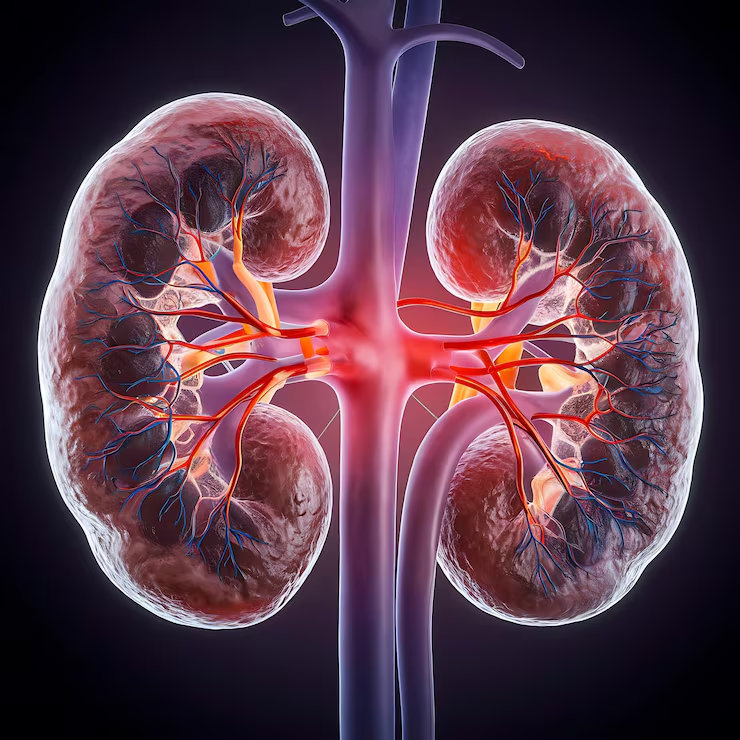
Kidney Damage: High glucose levels strain kidneys, risking chronic kidney disease.
-
Nerve Damage: Peripheral neuropathy causes pain, tingling, and numbness in hands and feet.
-
Eye Health Issues: Diabetic retinopathy can impair vision.
Natural Ways to Control Blood Sugar
1. Diet Strategies
A balanced diet is the foundation of natural blood sugar control:
Foods to Include:
-
High-Protein Foods: Eggs, fish, chicken, paneer, legumes – stabilize sugar and maintain muscle mass.
-
Complex Carbs: Brown rice, quinoa, whole wheat, oats – release glucose gradually.
-
Healthy Fats: Olive oil, avocado, nuts, seeds – support hormone balance.
-
Fiber-Rich Foods: Vegetables, fruits, and whole grains – slow glucose absorption.
-
Hydration: 2–3 liters of water daily improves metabolism and kidney function.
Foods to Avoid:
-
Sugary drinks and snacks
-
White bread, pastries, and refined flour products
-
Excess fried and processed foods
-
High alcohol consumption
Tip: Portion control and frequent small meals help maintain stable blood sugar.
2. Exercise and Physical Activity
Regular movement improves insulin sensitivity, helps maintain weight, and supports overall health:
-
Cardio Exercises: Walking, cycling, jogging, swimming – 30–45 minutes, 4–5 days a week.
-
Strength Training: Resistance exercises 2–3 times a week increase lean muscle and metabolic rate.
-
Flexibility and Stress Relief: Yoga and stretching reduce stress and improve circulation.
Combination Approach: Cardio + strength training works best for blood sugar management.
3. Lifestyle Modifications
-
Quality Sleep: 7–8 hours per night regulate hunger and insulin-related hormones.
-
Stress Reduction: Meditation, deep breathing, and hobbies lower cortisol and sugar spikes.
-
Quit Smoking: Enhances circulation and insulin sensitivity.
-
Reduce Alcohol Intake: Minimizes sugar spikes and liver strain.
-
Active Daily Habits: Take stairs, walk during breaks, and avoid prolonged sitting.
4. Monitoring and Professional Care
-
Regular Blood Sugar Checks: Fasting glucose, post-meal glucose, HbA1c.
-
Routine Health Screenings: Kidney, heart, and eye health evaluations.
-
Medication Compliance: If prescribed, take insulin or oral medications as directed.
-
Consult Nutritionists or Endocrinologists: Personalized plans improve results.
5. Natural Remedies for Men
Certain herbs and foods may help in blood sugar management:
-
Fenugreek Seeds: Help reduce post-meal glucose spikes.
-
Bitter Gourd (Karela): Promotes better insulin function.
-
Cinnamon: Can enhance insulin sensitivity.
-
Dietary Fiber: Slows sugar absorption and supports gut health.
Important: Consult a healthcare professional before using supplements or herbs.
6. Sample Daily Routine
Morning:
-
Warm lemon water
-
20–30 min brisk walk or yoga
-
Protein-rich breakfast with oats, eggs, or paneer
Daytime:
-
Balanced meals with lean protein, complex carbs, and vegetables
-
Short walks every hour if working at a desk
-
Avoid sugary beverages
Evening:
Night:
7. Common Mistakes to Avoid
-
Ignoring early symptoms
-
Relying solely on medication without lifestyle changes
-
Skipping meals or following crash diets
-
Neglecting regular physical activity and checkups
Conclusion
Controlling blood sugar naturally is possible for men through consistent diet, exercise, and lifestyle changes. Early detection, risk factor awareness, and proactive habits prevent complications, improve energy, and enhance overall health.
Focusing on balanced nutrition, regular workouts, stress management, quality sleep, and mindful daily habits empowers men to manage diabetes effectively. Long-term adherence ensures better sexual, cardiovascular, and mental health, improving quality of life.
Medical Disclaimer:
The information provided on Daksho is for educational and informational purposes only and is not a substitute for professional medical advice, diagnosis, or treatment. Always seek the advice of a qualified healthcare provider with any questions regarding a medical condition. Never ignore professional medical advice because of content you read on this website.
Reviewed by: Daksho Health Editorial Team
Last Updated: 09 Feb, 2026