Diabetic Kidney Disease: Recognize Early Signs and Safeguard Your Kidney Health
Early Warning Signs of Diabetic Kidney Disease and Steps to Protect Your Kidneys
Diabetic Kidney Disease: Early Signs and How to Protect Your Kidneys
Diabetic Kidney Disease (DKD), also called diabetic nephropathy, is a serious complication affecting nearly one in three people with diabetes. Left unchecked, it can progress to chronic kidney disease or even kidney failure. The good news? Early detection and proactive care can slow or prevent kidney damage.
What is Diabetic Kidney Disease?
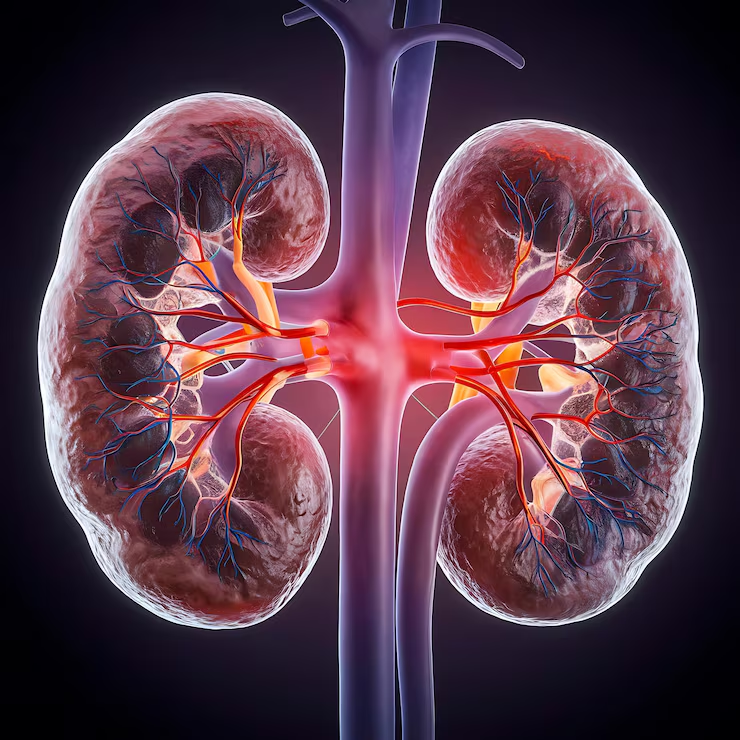
DKD occurs when high blood sugar levels damage the kidneys’ tiny blood vessels, reducing their ability to filter waste. Over time, this can cause protein leakage in urine, fluid retention, and progressive kidney dysfunction. Because DKD often develops silently, recognizing early symptoms is crucial.
Early Symptoms to Watch For
-
Protein in urine (Albuminuria): Detected through urine tests, often before physical symptoms appear.
-
Swelling (Edema): Feet, ankles, hands, or around the eyes may swell due to fluid retention.
-
Fatigue: Toxin buildup can cause persistent tiredness.
-
Frequent nighttime urination (Nocturia): A common early indicator.
-
Foamy or bubbly urine: A visible sign of protein leakage.
-
High blood pressure: Both a symptom and a contributor to DKD.
-
Loss of appetite, nausea, or metallic taste: Result of toxin accumulation.
-
Difficulty concentrating: Toxin buildup can affect cognitive function.
Who is at Risk?
-
People with diabetes for over 5–10 years
-
Uncontrolled blood sugar
-
High blood pressure
-
Overweight or obese individuals
-
Smokers or regular alcohol users
-
Family history of kidney disease
Protecting Your Kidneys with Diabetes
-
Control Blood Sugar: Keep glucose levels within your target range.
-
Manage Blood Pressure: Maintain BP below 130/80 mmHg.
-
Take Kidney-Protective Medications: ACE inhibitors or ARBs help safeguard kidney function.
-
Regular Kidney Tests: UACR and eGFR can detect early problems.
-
Follow a Kidney-Friendly Diet: Limit salt, processed foods, and protein as advised.
-
Stay Hydrated: Drink 6–8 glasses of water daily unless instructed otherwise.
-
Avoid NSAIDs & Unnecessary Medications: Protect kidney health.
-
Exercise Regularly: Even 30 minutes of brisk walking daily helps.
-
Quit Smoking: Preserves blood vessels and kidney function.
Managing DKD
With proper care, early-stage DKD can often be stabilized or reversed. Work with your nephrologist and diabetes care team to monitor kidney function, adjust medications, and implement lifestyle changes.
Final Thoughts
Early recognition of diabetic kidney disease can save your kidneys and improve long-term health. Watch for subtle signs like swelling, changes in urination, or persistent fatigue, and make kidney health a priority in your diabetes management.
Medical Disclaimer:
The information provided on Daksho is for educational and informational purposes only and is not a substitute for professional medical advice, diagnosis, or treatment. Always seek the advice of a qualified healthcare provider with any questions regarding a medical condition. Never ignore professional medical advice because of content you read on this website.
Reviewed by: Daksho Health Editorial Team
Last Updated: 24 Dec, 2025