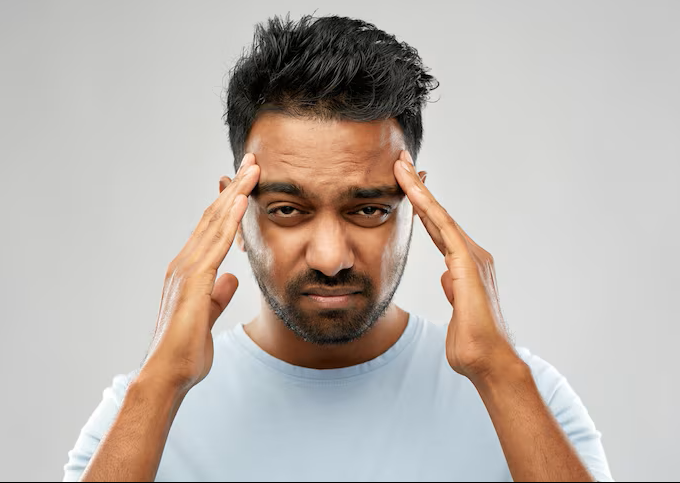
Stress, Anxiety, and Depression in Men: Signs and Solutions
Understanding men’s mental health struggles and practical ways to heal
Mental health issues like stress, anxiety, and depression affect millions of men worldwide. Yet, many men suffer silently. Social expectations often push men to appear strong, unemotional, and self-reliant, making it harder for them to express emotional pain or seek help.
In India and many other countries, men are less likely than women to talk openly about mental health struggles. This silence can worsen symptoms, affect relationships, work performance, and overall quality of life. Understanding these conditions and knowing when and how to seek help is the first step toward healing.
This guide explains the signs, causes, and solutions for stress, anxiety, and depression in men in a simple, practical way.
Understanding Stress, Anxiety, and Depression
Although often grouped together, stress, anxiety, and depression are different mental health conditions.
Stress
Stress is the body’s natural response to pressure or challenges. Short-term stress can be helpful, but chronic stress can harm mental and physical health.
Anxiety
Anxiety is a constant feeling of fear, worry, or uneasiness, even when there is no immediate danger. It can interfere with daily life.
Depression
Depression is more than sadness. It is a serious condition marked by long-lasting feelings of hopelessness, loss of interest, low energy, and emotional numbness.
Why Mental Health Issues in Men Go Unnoticed
Men often experience mental health problems differently than women. Some common reasons these issues go undiagnosed include:
-
Fear of appearing weak
-
Pressure to be the family provider
-
Lack of emotional expression
-
Social stigma around mental health
-
Turning emotional pain into anger or withdrawal
Instead of talking about sadness or fear, men may express distress through irritability, substance use, or overworking.
Common Signs of Stress in Men
Stress symptoms may develop slowly and are often ignored.
Emotional Signs
Physical Signs
-
Headaches
-
Muscle tension
-
High blood pressure
-
Fatigue
-
Sleep problems
Behavioral Signs
Signs of Anxiety in Men
Anxiety in men may not always look like nervousness. It can appear as constant restlessness or physical discomfort.
Common Symptoms
Some men may experience panic attacks, which can feel like a heart attack and cause intense fear.
Signs of Depression in Men
Depression in men is often hidden behind anger or emotional distance.
Emotional Symptoms
-
Feeling empty or hopeless
-
Loss of interest in hobbies
-
Feeling worthless or guilty
Behavioral Symptoms
Physical Symptoms
In severe cases, depression can lead to suicidal thoughts. Any such signs require immediate professional help.
Common Causes of Mental Health Issues in Men
Several factors can trigger stress, anxiety, or depression:
-
Work pressure and financial stress
-
Relationship problems
-
Job loss or career dissatisfaction
-
Chronic illness
-
Hormonal changes (like low testosterone)
-
Childhood trauma or emotional neglect
-
Social isolation
Often, multiple factors combine over time.
Impact on Physical Health
Mental health directly affects physical health. Untreated stress and depression can increase the risk of:
-
Heart disease
-
High blood pressure
-
Diabetes
-
Weak immune system
-
Digestive issues
Taking care of mental health is essential for overall well-being.
Solutions: How Men Can Manage Stress, Anxiety, and Depression
1. Talk Without Fear
Sharing feelings with a trusted friend, family member, or professional reduces emotional burden. Talking is not weakness—it is strength.
2. Seek Professional Help
Psychologists, psychiatrists, and counselors are trained to help. Therapy provides tools to manage thoughts, emotions, and behaviors effectively.
3. Practice Regular Exercise
Physical activity releases endorphins, which improve mood and reduce anxiety. Even a 30-minute daily walk helps.
4. Improve Sleep Quality
Lack of sleep worsens mental health. Maintain a regular sleep schedule and limit screen time before bed.
5. Reduce Alcohol and Smoking
Substances may seem calming temporarily but increase anxiety and depression in the long run.
6. Learn Stress-Management Techniques
-
Deep breathing
-
Meditation
-
Yoga
-
Mindfulness practices
These help calm the nervous system and improve emotional balance.
7. Set Realistic Expectations
Men often place extreme pressure on themselves. Accept that perfection is not possible.
8. Stay Connected
Strong relationships protect mental health. Spend time with family, friends, or community groups.
9. Maintain a Balanced Diet
Nutrient-rich foods support brain health. Limit processed foods and excessive caffeine.
10. Get Regular Health Checkups
Hormonal imbalances or medical conditions can affect mental health. Early diagnosis helps.
When to Seek Immediate Help
Seek urgent professional help if you or someone you know experiences:
Mental health emergencies deserve the same attention as physical ones.
Breaking the Stigma Around Men’s Mental Health
Changing attitudes starts with open conversations. Men should feel safe seeking help without judgment. Employers, families, and communities play a vital role in supporting mental well-being.
Mental strength is not about suffering in silence—it’s about knowing when to ask for help.
Final Thoughts: Stress, anxiety, and depression are common among men, but they are not signs of weakness. They are health conditions that can be managed with awareness, support, and proper care.
By recognizing early signs and taking action, men can protect their mental health, improve relationships, and lead healthier, happier lives. Seeking help is a powerful step toward long-term well-being.
Medical Disclaimer:
The information provided on Daksho is for educational and informational purposes only and is not a substitute for professional medical advice, diagnosis, or treatment. Always seek the advice of a qualified healthcare provider with any questions regarding a medical condition. Never ignore professional medical advice because of content you read on this website.
Reviewed by: Daksho Health Editorial Team
Last Updated: 25 Dec, 2025