10 Healthy Regional Indian Recipes: Nutritious Meals from Every State
Nutritious Indian Recipes from Different Regions
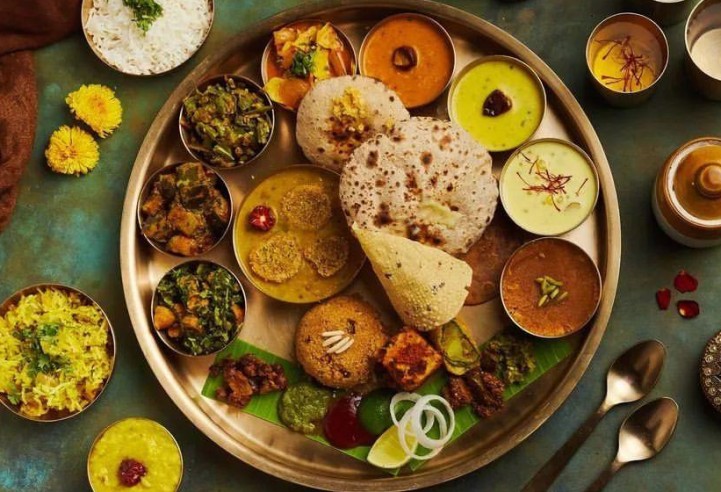
India’s culinary diversity is unmatched. Every state has its unique ingredients, cooking styles, and traditional flavors, offering a wide variety of healthy, nutrient-rich meals. From light breakfasts to wholesome dinners, regional Indian recipes can be both delicious and health-promoting.
In this article, we explore 10 healthy regional Indian recipes, each representing a different state. These recipes are easy to prepare, nutritious, and perfect for daily meals, offering a balance of protein, fiber, vitamins, and minerals.
Why Regional Recipes Are Healthy
Regional Indian recipes often use fresh vegetables, legumes, whole grains, and natural spices. Their health benefits include:
-
Rich in Nutrients: Vegetables, lentils, and grains provide essential vitamins and minerals.
-
High Fiber Content: Whole grains, legumes, and leafy vegetables aid digestion.
-
Balanced Flavors: Natural spices enhance taste and provide medicinal benefits.
-
Low in Processed Ingredients: Most recipes rely on fresh, local produce.
-
Adaptable to Dietary Needs: Many dishes can be prepared vegan, gluten-free, or low-oil.
By exploring regional cuisines, you can enjoy variety, flavor, and wellness benefits in your everyday meals.
1. Moong Dal Dhokla – Gujarat
Why It’s Beneficial: Steamed and light, dhokla is rich in protein and easy to digest.
Preparation:
-
Soak 1 cup moong dal for 4-5 hours.
-
Grind into smooth batter and mix with ginger, green chili, and salt.
-
Steam for 10-12 minutes and garnish with mustard seeds and coriander.
Tip: A perfect breakfast or snack, packed with protein and fiber.
2. Vegetable Upma – Karnataka
Why It’s Beneficial: Made with semolina or ragi, upma is a light, fiber-rich breakfast.
Preparation:
-
Roast 1 cup semolina or ragi flour.
-
Cook with chopped vegetables, curry leaves, ginger, and mustard seeds.
-
Serve hot with a sprinkle of fresh coriander.
Tip: Supports digestion and provides long-lasting energy.
3. Bajra Roti with Greens – Rajasthan
Why It’s Beneficial: Pearl millet (bajra) is high in fiber, and leafy greens add vitamins and antioxidants.
Preparation:
-
Mix bajra flour with chopped spinach or methi leaves and water.
-
Roll into flatbreads and cook on a hot griddle.
-
Serve with low-fat yogurt.
Tip: A wholesome and filling lunch or dinner option.
4. Idli with Sambar – Tamil Nadu
Why It’s Beneficial: Fermented idlis are light, rich in protein, and promote gut health; sambar adds vegetables and lentils.
Preparation:
-
Soak rice and urad dal, grind, and ferment for 6-8 hours.
-
Steam idlis and serve with sambar made from toor dal and vegetables.
Tip: Ideal for breakfast or a light, balanced meal.
5. Poha with Peanuts – Maharashtra
Why It’s Beneficial: Flattened rice with vegetables and peanuts provides fiber, protein, and iron.
Preparation:
-
Rinse poha and sauté with mustard seeds, green chilies, turmeric, and vegetables.
-
Add roasted peanuts and fresh coriander.
Tip: A quick, healthy breakfast or snack that boosts energy.
6. Litti Chokha – Bihar
Why It’s Beneficial: Litti is made from whole wheat and stuffed with roasted gram flour; chokha adds fiber and antioxidants.
Preparation:
-
Prepare wheat dough stuffed with roasted gram flour, spices, and herbs.
-
Bake or grill litti and serve with mashed roasted vegetables (chokha).
Tip: A wholesome, protein-rich, and filling meal.
7. Fish Curry with Brown Rice – West Bengal
Why It’s Beneficial: Fish provides omega-3 fatty acids, and brown rice adds fiber and minerals.
Preparation:
-
Cook fish in mustard, garlic, and spices with a tomato base.
-
Serve with steamed brown rice.
Tip: A light, nutritious lunch or dinner rich in protein and heart-healthy fats.
8. Millet Khichdi – Uttar Pradesh
Why It’s Beneficial: A combination of millet and lentils offers protein, fiber, and sustained energy.
Preparation:
-
Cook millet with moong dal and vegetables.
-
Add turmeric, cumin, and a teaspoon of ghee.
-
Serve warm for a comforting meal.
Tip: Perfect for digestion and balanced nutrition.
9. Sarson Ka Saag with Makki Ki Roti – Punjab
Why It’s Beneficial: Mustard greens are rich in iron and calcium; cornmeal roti adds fiber.
Preparation:
-
Boil mustard and spinach leaves, mash them, and cook with garlic, ginger, and spices.
-
Serve with cornmeal rotis.
Tip: A hearty and nutrient-dense winter meal.
10. Vegetable Stew with Appam – Kerala
Why It’s Beneficial: Light, coconut-based stew with vegetables provides fiber, vitamins, and minerals; appam adds fermented carbs.
Preparation:
Tip: A balanced, easy-to-digest breakfast or dinner.
Tips for Healthy Regional Cooking
-
Use Fresh, Local Produce: Enhances flavor and nutrition.
-
Minimize Oil and Ghee: Keep meals light and heart-friendly.
-
Incorporate Lentils and Legumes: Adds protein and fiber.
-
Balance Flavors: Use natural spices instead of processed sauces.
-
Steam or Boil When Possible: Preserves nutrients and aids digestion.
Benefits of Regional Healthy Recipes
-
Promotes Digestive Health: Fiber-rich grains and legumes aid gut function.
-
Supports Weight Management: Balanced meals keep you full longer.
-
Boosts Immunity: Vegetables, spices, and lentils provide vitamins and antioxidants.
-
Provides Energy: Protein and slow-digesting carbohydrates sustain energy throughout the day.
-
Preserves Cultural Traditions: Encourages wholesome, traditional eating habits.
Conclusion
India’s regional cuisines are a treasure trove of healthy meals. The 10 recipes shared here—from moong dal dhokla, idli-sambar, litti chokha, and bajra roti to sarson ka saag and millet khichdi—offer nutrition, variety, and balanced flavors.
By exploring regional Indian recipes, you can enjoy diverse, wholesome meals every day, supporting digestion, immunity, energy, and overall wellness. These meals are simple to prepare, naturally nutritious, and perfect for a healthy lifestyle.
Medical Disclaimer:
The information provided on Daksho is for educational and informational purposes only and is not a substitute for professional medical advice, diagnosis, or treatment. Always seek the advice of a qualified healthcare provider with any questions regarding a medical condition. Never ignore professional medical advice because of content you read on this website.
Reviewed by: Daksho Health Editorial Team
Last Updated: 05 Feb, 2026