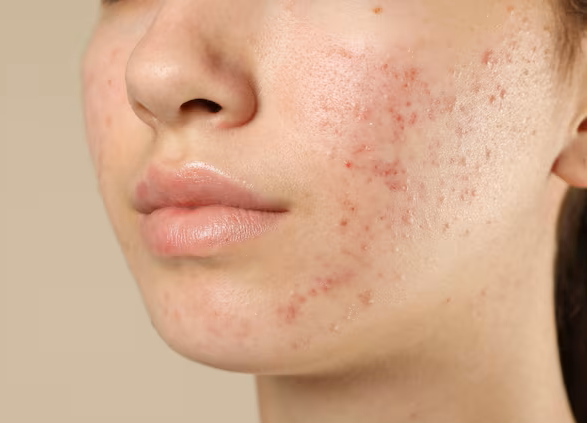
Natural Treatments for Skin Acne and Blemishes
Effective Home Remedies for Clear Acne-Free Skin
Acne and blemishes are common skin concerns affecting people of all ages. They can appear due to hormonal changes, stress, poor diet, or clogged pores. While over-the-counter products and medications exist, natural treatments offer gentle, effective solutions without harsh chemicals. With consistent care and simple home remedies, you can achieve healthier, clearer skin naturally.
1. Keep Your Skin Clean
Maintaining proper skin hygiene is essential to prevent acne.
Tips:
-
Wash your face twice daily with a gentle cleanser.
-
Avoid scrubbing harshly, which can irritate skin and worsen acne.
-
Use lukewarm water instead of hot water.
Why it Works: Cleaning removes excess oil, dirt, and bacteria, preventing clogged pores that lead to acne.
2. Aloe Vera for Soothing Skin
Aloe vera is a natural plant extract known for its anti-inflammatory and antibacterial properties.
How to Use:
Why it Works: Aloe vera reduces redness, soothes inflammation, and promotes healing of acne scars.
3. Tea Tree Oil Treatment
Tea tree oil is a natural antibacterial agent that targets acne-causing bacteria.
How to Use:
Why it Works: Tea tree oil kills acne bacteria while reducing swelling and redness.
4. Honey and Cinnamon Face Mask
Honey has antibacterial properties, and cinnamon helps reduce inflammation.
How to Use:
-
Mix 1 tablespoon honey with ½ teaspoon cinnamon powder.
-
Apply to the face and leave for 10–15 minutes.
-
Rinse with lukewarm water.
Why it Works: This mask fights acne bacteria, soothes skin, and prevents new breakouts.
5. Lemon Juice for Acne and Dark Spots
Lemon juice contains natural acids and vitamin C that lighten blemishes and fight acne.
How to Use:
-
Apply diluted lemon juice (half lemon with 1 teaspoon water) to affected areas.
-
Leave for 10 minutes, then rinse.
-
Avoid sun exposure immediately after application.
Why it Works: Lemon juice reduces pigmentation, fades acne marks, and helps keep skin clear.
6. Green Tea Application
Green tea contains antioxidants and anti-inflammatory properties that benefit acne-prone skin.
How to Use:
-
Brew green tea, let it cool, and apply to the face with a cotton ball.
-
Leave for 10–15 minutes and rinse.
Why it Works: The antioxidants reduce inflammation and fight bacteria, promoting clearer skin.
7. Turmeric for Acne and Blemishes
Turmeric is known for its anti-inflammatory and antibacterial qualities.
How to Use:
-
Mix ½ teaspoon turmeric powder with honey or yogurt to form a paste.
-
Apply to affected areas for 10–15 minutes, then rinse.
Why it Works: Turmeric reduces redness, prevents infections, and helps fade acne scars over time.
8. Cucumber for Skin Cooling and Hydration
Cucumber soothes irritated skin and reduces inflammation from pimples.
How to Use:
Why it Works: Cucumber hydrates, cools skin, and reduces swelling in acne-prone areas.
9. Maintain a Healthy Diet
Diet plays a crucial role in skin health.
Tips:
-
Eat fresh fruits and vegetables rich in vitamins and antioxidants.
-
Include nuts, seeds, and omega-3-rich foods.
-
Reduce sugary, oily, and processed foods.
-
Drink plenty of water to keep skin hydrated.
Why it Works: Proper nutrition balances hormones and boosts skin repair, reducing acne formation.
10. Avoid Touching Your Face
Frequent touching or picking pimples spreads bacteria and worsens acne.
Tips:
Why it Works: Reducing contact prevents infection and promotes faster healing of blemishes.
11. Stress Management
Stress can trigger hormonal changes leading to acne breakouts.
Tips:
-
Practice yoga, meditation, or deep breathing exercises.
-
Get adequate sleep (7–8 hours per night).
-
Engage in relaxing hobbies or outdoor activities.
Why it Works: Lowering stress reduces hormone-related acne and supports overall skin health.
12. Proper Sleep and Hydration
Sleep and water intake are essential for skin regeneration.
Tips:
Why it Works: Rest and hydration help skin repair, flush toxins, and reduce acne occurrence.
13. When to Consult a Dermatologist
Home remedies work for mild acne, but professional care may be needed if:
-
Acne is severe or cystic.
-
Persistent scarring or discoloration occurs.
-
Over-the-counter or home treatments fail to improve symptoms.
Why it Works: Dermatologists can prescribe targeted treatments and medications for stubborn acne, ensuring faster recovery.
Conclusion
Acne and blemishes are common but can be managed effectively with natural home remedies, proper skincare, and healthy lifestyle habits. Incorporating aloe vera, tea tree oil, honey, turmeric, and green tea into your routine can reduce acne, soothe inflammation, and fade blemishes. Combined with a balanced diet, hydration, stress management, and proper sleep, these remedies help maintain clear, glowing, and healthy skin naturally.
Medical Disclaimer:
The information provided on Daksho is for educational and informational purposes only and is not a substitute for professional medical advice, diagnosis, or treatment. Always seek the advice of a qualified healthcare provider with any questions regarding a medical condition. Never ignore professional medical advice because of content you read on this website.
Reviewed by: Daksho Health Editorial Team
Last Updated: 25 Dec, 2025