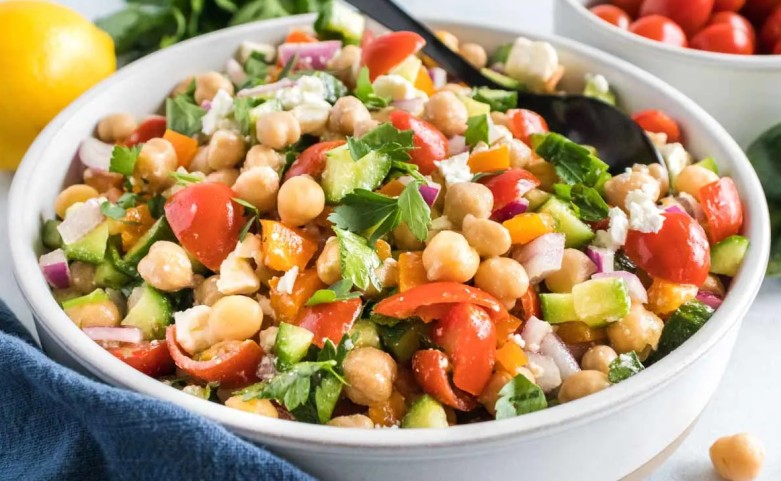
Light Indian Dinner Recipes: Easy & Healthy Meals for Better Digestion
Easy Indian Light Dinner Ideas for Healthy Digestion
Dinner is the last meal of the day, but it is also one of the most important. Eating heavy or greasy meals at night can interfere with sleep, digestion, and metabolism. A light, balanced dinner helps the body rest, supports gut health, and prevents late-night bloating or discomfort.
Indian cuisine offers a variety of simple, wholesome, and flavorful options that are naturally light yet satisfying. By incorporating vegetables, lentils, whole grains, and minimal oil, you can enjoy a nourishing dinner without feeling heavy.
This guide explores easy and healthy light Indian dinner recipes that are quick to prepare, easy on the stomach, and perfect for modern lifestyles.
Why Choose Light Dinner Recipes
Choosing a light dinner has multiple benefits:
-
Improves digestion: Reduces bloating and heaviness at night.
-
Promotes better sleep: Lighter meals prevent discomfort while resting.
-
Supports weight management: Avoids excess calorie intake.
-
Boosts metabolism: Easier digestion helps efficient energy use.
-
Maintains gut health: Fiber-rich foods improve bowel movements.
Heavy, fried, or carb-loaded dinners can disrupt sleep and digestion, while a lighter approach keeps the body comfortable and energized for the next day.
Key Components of a Light Indian Dinner
A healthy, light Indian dinner should include:
-
Vegetables: Seasonal, colorful, and fiber-rich.
-
Protein: Lentils, legumes, eggs, paneer, or lean meats.
-
Whole grains or alternatives: Quinoa, millet, or small portions of rice.
-
Healthy fats: Minimal use of ghee, cold-pressed oils, or nuts.
-
Spices and herbs: Ginger, cumin, coriander, and turmeric for flavor and digestion.
Balancing these components ensures satiety while being gentle on the digestive system.
Quick & Easy Light Indian Dinner Recipes
1. Vegetable Moong Dal Soup
A light soup made with yellow moong dal, carrots, beans, and spices like turmeric and cumin.
Why it works: High in protein, low in fat, and soothing for digestion.
Tip: Use soaked dal for faster cooking and softer consistency.
2. Palak (Spinach) and Paneer Stir-Fry
Spinach lightly sautéed with cubes of paneer, garlic, and mild spices.
Benefit: Packed with iron, calcium, and protein without heaviness.
3. Lauki (Bottle Gourd) Soup
Bottle gourd cooked with ginger, garlic, and green chilies, then blended into a smooth soup.
Digestive advantage: Light, hydrating, and easy on the stomach.
4. Vegetable Upma with Minimal Oil
Rava or semolina roasted lightly, cooked with seasonal vegetables, curry leaves, and mustard seeds.
Why it’s great: Low in fat, rich in fiber, and keeps digestion smooth.
5. Quinoa Khichdi with Vegetables
Quinoa cooked with moong dal and seasonal vegetables for a complete protein and fiber-rich dish.
Tip: Use small amounts of ghee and temper with cumin and ginger for flavor.
6. Mixed Vegetable Stir-Fry with Lentils
Quickly sauté seasonal vegetables like capsicum, beans, zucchini with cooked lentils, and spices.
Why it works: Light, filling, and rich in protein and micronutrients.
7. Tofu or Paneer Bhurji
Crumbled tofu or paneer cooked with onions, tomatoes, and mild spices.
Benefit: Protein-packed, low-carb, and easy to digest.
8. Cabbage & Carrot Soup
Simple soup with cabbage, carrot, and light seasoning like black pepper and coriander.
Health tip: Include a dash of lemon for vitamin C and fresh taste.
9. Methi (Fenugreek) Thepla (Baked Version)
Whole wheat flour with fresh methi leaves and spices, baked instead of pan-fried.
Why it’s suitable: Less oil, high fiber, gentle on the stomach.
10. Tomato & Spinach Rasam
A South Indian-style light tomato soup with tamarind, curry leaves, and spinach.
Benefit: Naturally low-calorie and excellent for hydration and digestion.
Tips for Preparing Light Indian Dinners
-
Cook in less oil: Prefer steaming, sautéing, or roasting.
-
Include seasonal vegetables: Fresh produce improves flavor and nutrition.
-
Use minimal spices: Gentle spices like cumin, coriander, and ginger aid digestion.
-
Keep portions moderate: Avoid overeating at night.
-
Incorporate plant-based proteins: Lentils, legumes, and tofu are easy to digest.
Best Cooking Oils for Light Indian Dinners
-
Coconut oil (small quantity)
-
Mustard oil (light use)
-
Ghee (optional, small amounts)
-
Olive or cold-pressed oils for tempering
Tip: Avoid heavy, refined oils and deep frying at dinner.
Benefits of Eating Light Dinner for Weight & Digestion
-
Reduces bloating and heaviness.
-
Supports weight loss and management.
-
Improves gut health and metabolism.
-
Enhances sleep quality.
-
Maintains consistent energy the next day.
Eating lightly at night allows the digestive system to rest and repair, supporting long-term wellness.
Seasonal Variations for Light Dinners
-
Winter: Lauki soup, spinach and paneer stir-fry, mixed vegetable khichdi.
-
Summer: Tomato rasam, cabbage-carrot soup, zucchini stir-fry.
-
Monsoon: Moong dal soup, baked methi thepla, vegetable upma.
Using seasonal vegetables enhances freshness, flavor, and nutrient intake.
Common Mistakes to Avoid
-
Eating fried or heavy foods at night.
-
Overloading on grains or rice.
-
Skipping vegetables and protein.
-
Using excessive ghee or oil.
-
Eating too late in the evening.
Keeping dinner light and balanced prevents discomfort and promotes healthy sleep.
Quick Meal Prep Ideas
-
Pre-chop vegetables: Keep ready for soups, stir-fries, or upma.
-
Soak lentils in advance: Reduces cooking time for soups and khichdi.
-
Batch-cook khichdi or soups: Store in refrigerator for 2–3 days.
-
Use frozen vegetables: Quick option without compromising nutrition.
Even minimal prep can save time and ensure a healthy dinner every evening.
Final Thoughts
Light Indian dinner recipes are simple, versatile, and nourishing. From moong dal soup and vegetable upma to spinach-paneer stir-fry and quinoa khichdi, these meals are gentle on the stomach, low in fat, and packed with nutrients.
Eating lighter at night supports digestion, weight control, and restful sleep, while still being satisfying and flavorful. With seasonal vegetables, moderate use of oils, and balanced proteins, Indian dinners can be both comforting and healthful.
Start incorporating light dinners into your routine, and you will notice improved digestion, better sleep, and more energy the next day.
Medical Disclaimer:
The information provided on Daksho is for educational and informational purposes only and is not a substitute for professional medical advice, diagnosis, or treatment. Always seek the advice of a qualified healthcare provider with any questions regarding a medical condition. Never ignore professional medical advice because of content you read on this website.
Reviewed by: Daksho Health Editorial Team
Last Updated: 01 Feb, 2026