ICU Care Guide: What Families Should Expect in Critical Care
Understanding ICU Care, Procedures, and Family Support
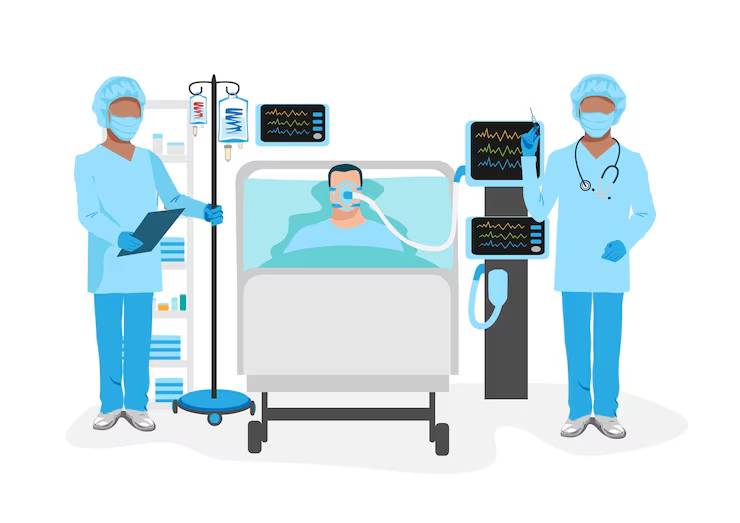
An Intensive Care Unit (ICU) is a special hospital area where patients with serious or life-threatening conditions receive constant monitoring and advanced medical care. For families, an ICU admission can feel overwhelming and frightening. Understanding how ICU care works helps reduce anxiety and prepares families to support their loved ones better.
This guide explains what ICU care involves, why patients are admitted, what equipment is used, and what families should expect during this critical time.
What Is ICU Care?
ICU care is designed for patients who need close, round-the-clock medical attention. These patients may have severe infections, breathing problems, heart conditions, trauma, or complications after major surgery.
In the ICU:
-
Patients are monitored 24/7
-
Special machines support vital organs
-
Doctors and nurses are available at all times
The goal is to stabilize the patient, prevent complications, and support recovery.
Reasons for ICU Admission
A patient may be admitted to the ICU for many reasons, including:
-
Severe infections or sepsis
-
Breathing failure or need for ventilator support
-
Heart attack or heart surgery
-
Stroke or brain injury
-
Major accidents or trauma
-
Complications after surgery
-
Organ failure such as kidney or liver failure
Who Takes Care of ICU Patients?
ICU patients are treated by a specialized medical team that includes:
-
Intensivists (critical care doctors)
-
Specialist doctors (cardiologists, neurologists, surgeons)
-
ICU nurses trained in critical care
-
Respiratory therapists
-
Physiotherapists
-
Nutritionists
This team works together to provide the best possible care.
Common ICU Machines and Equipment
Seeing ICU equipment can be alarming, but each machine plays a vital role.
-
Ventilator: Helps patients breathe when lungs are weak
-
Monitors: Track heart rate, blood pressure, oxygen levels
-
Infusion pumps: Deliver medicines and fluids accurately
-
Dialysis machine: Supports kidney function if kidneys fail
-
Feeding tubes: Provide nutrition when patients cannot eat
Doctors and nurses constantly watch these machines to adjust treatment.
What Families Should Expect
Limited Visiting Hours
ICUs usually have restricted visiting hours to protect patients from infection and allow rest. Always follow hospital rules.
Patient Appearance
Patients may appear sleepy, confused, or connected to tubes and machines. This is normal in critical care.
Slow Progress
Recovery in the ICU can take time. Improvement may happen gradually, and some days may seem better than others.
Regular Updates
Doctors usually provide daily updates. Families should feel free to ask questions and clarify concerns.
Communication with Doctors
Good communication helps families cope better. You can ask:
-
What is the patient’s current condition?
-
What treatment is being given?
-
What improvements or risks should we expect?
-
How long might ICU care be needed?
It helps to appoint one family member to communicate with doctors to avoid confusion.
How Families Can Support ICU Patients
Even if patients are unconscious, family support matters.
-
Speak calmly and positively
-
Hold their hand if allowed
-
Reassure them they are not alone
-
Avoid emotional distress near the patient
-
Follow hygiene rules strictly
Your presence can be comforting and healing.
Emotional Stress for Families
ICU stays can be emotionally exhausting. Families may feel fear, guilt, or helplessness. It’s important to:
-
Take breaks and rest
-
Eat properly and stay hydrated
-
Share responsibilities with other family members
-
Seek counseling if needed
Taking care of yourself helps you care better for your loved one.
Transition Out of the ICU
When the patient improves, they may be shifted to a regular ward. This is a positive step but does not mean full recovery is complete.
After ICU discharge:
-
Rehabilitation may be needed
-
Weakness and fatigue are common
-
Follow-up care is essential
-
Emotional recovery may take time
Common Myths About ICU Care
-
ICU means no hope: False. Many patients recover fully.
-
Machines mean the patient is dying: Not always. Machines support healing.
-
Unconscious patients can’t hear: Many experts believe hearing may still work.
Understanding facts reduces fear and stress.
ICU care is intense but focused on saving lives and supporting recovery. While it can be a difficult experience for families, knowledge, patience, and trust in the medical team make the journey easier.
By understanding ICU processes, supporting patients emotionally, and taking care of themselves, families play a vital role in the healing process. ICU care is not just about machines and medicines—it is about hope, teamwork, and compassion.
Medical Disclaimer:
The information provided on Daksho is for educational and informational purposes only and is not a substitute for professional medical advice, diagnosis, or treatment. Always seek the advice of a qualified healthcare provider with any questions regarding a medical condition. Never ignore professional medical advice because of content you read on this website.
Reviewed by: Daksho Health Editorial Team
Last Updated: 24 Dec, 2025