Identifying the Exact Spot of Appendix Pain: A Simple Guide
How to Identify Appendix Pain Early and Prevent Serious Complications
Understanding Appendix Pain: How to Locate It Accurately
Appendicitis is a common medical condition that can lead to serious complications if not diagnosed and treated promptly. Early detection relies heavily on identifying the precise location of appendix pain, as it is often the first and most significant symptom.
We guide patients on recognizing the initial warning signs of appendicitis. This article explains how to pinpoint appendix pain and highlights the differences in symptoms between men and women.
What Is Appendix Pain?
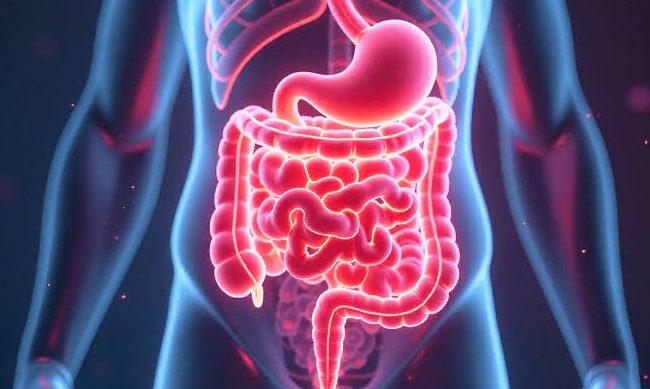
The appendix is a small, tube-like organ located in the lower right abdomen near the large intestine. Inflammation of the appendix causes appendicitis, leading to severe, persistent abdominal pain.
Detecting appendix pain can be challenging because its symptoms often resemble indigestion, gas, or, in women, menstrual cramps. Understanding the pain’s location helps in seeking timely medical care.
General Location of Appendix Pain
Appendix pain typically begins as a mild discomfort around the navel or upper abdomen. It gradually shifts to the lower right side, specifically at McBurney's point, between the navel and right hip bone.
Key Features:
-
Starts near the belly button and moves to the lower right abdomen
-
Sharp, intensifying pain
-
Worsens with movement, coughing, or pressure
-
May be accompanied by nausea, vomiting, and mild fever
Appendix Pain in Females
For women, diagnosing appendicitis is more complex due to overlapping symptoms from menstrual cramps, ovarian cysts, or urinary tract infections.
Common Signs in Females:
-
Pain in the lower right abdomen above the pelvic bone
-
Discomfort resembling menstrual cramps
-
Tenderness when pressure is applied
-
Pain worsens with walking, sneezing, or deep breathing
Gynecological exams, blood tests, and ultrasounds help distinguish appendicitis from reproductive system issues.
Appendix Pain in Males
Diagnosis in men is generally more straightforward due to fewer overlapping conditions.
Common Signs in Males:
-
Abdominal pain starting near the navel and moving to the lower right side
-
Tenderness on pressing the right abdomen
-
Sometimes accompanied by testicular discomfort or swelling
Despite clearer signs in males, other gastrointestinal issues or hernias can mimic appendicitis, so medical evaluation is crucial.
When to Seek Medical Help
Appendicitis can become life-threatening if the appendix ruptures. Seek immediate care if you notice:
Medical Disclaimer:
The information provided on Daksho is for educational and informational purposes only and is not a substitute for professional medical advice, diagnosis, or treatment. Always seek the advice of a qualified healthcare provider with any questions regarding a medical condition. Never ignore professional medical advice because of content you read on this website.
Reviewed by: Daksho Health Editorial Team
Last Updated: 24 Dec, 2025