Best Indian Acid Reflux Recipes: Low-Acid Meals for GERD Relief
Easy Low-Acid Indian Meals for GERD Comfort
Acid reflux, also called GERD (Gastroesophageal Reflux Disease), is becoming more common in India due to spicy food, oily meals, irregular eating habits, stress, and late-night snacking. If you often feel burning in your chest, sour taste in mouth, bloating, or discomfort after meals, you may be dealing with GERD.
The good news is that you don’t have to stop eating Indian food. With the right ingredients and cooking methods, you can enjoy delicious meals that are gentle on your stomach. This article shares low-acid Indian recipes that help manage acid reflux naturally.
Understanding Acid Reflux and GERD
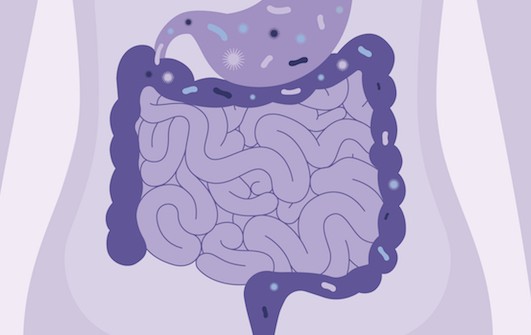
Acid reflux happens when stomach acid travels back into the food pipe. This causes irritation and a burning feeling. GERD is a more severe and chronic form of acid reflux.
Common Symptoms
Common Triggers
-
Spicy food
-
Fried and oily meals
-
Onion and garlic
-
Tomatoes and citrus
-
Coffee and tea
-
Carbonated drinks
-
Late-night meals
To manage GERD, you should focus on low-acid foods, avoid triggers, and adopt healthier cooking styles.
10 Best Low-Acid Indian Recipes for GERD Relief
These recipes are designed to be mild, nutritious, and easy to digest. They use simple Indian ingredients and are perfect for daily meals.
1. Moong Dal Khichdi (Gentle & Comforting)
Moong dal is easy on the stomach and is a great option for acid reflux.
How to make:
Why it helps:
-
Low acidity
-
Easy digestion
-
Soothes stomach lining
2. Oats Vegetable Porridge (Low-Acid Breakfast)
Oats are mild and do not trigger acidity. A warm bowl of oats porridge is great for GERD.
How to make:
Why it helps:
-
Low acid
-
High fiber
-
Keeps stomach calm
3. Lauki (Bottle Gourd) Curry
Bottle gourd is one of the best foods for acid reflux because it is low in acid and high in water.
How to make:
-
Cook lauki with turmeric
-
Add cumin and coriander
-
Use minimal oil
-
Avoid onion and garlic
Why it helps:
-
Cooling effect
-
Helps digestion
-
Reduces acidity
4. Carrot & Beetroot Soup
Soups are easy to digest and help reduce acidity.
How to make:
-
Boil carrot and beetroot
-
Blend into soup
-
Add salt and cumin
-
Serve warm
Why it helps:
-
Low acid
-
Nutrient-rich
-
Gentle on stomach
5. Curd Rice (Cooling Meal)
Curd rice is a traditional Indian meal that is very soothing for the stomach.
How to make:
Why it helps:
-
Cooling effect
-
Low acidity
-
Helps digestion
6. Ragi Dosa (Gluten-Free & Mild)
Ragi is a great option for GERD as it is easy to digest and low in acid.
How to make:
Why it helps:
-
Low acid
-
High fiber
-
Supports digestion
7. Steamed Fish with Herbs
Fish is a light protein source and is less likely to trigger reflux if cooked properly.
How to make:
Why it helps:
-
Low fat
-
Easy digestion
-
Helps reduce acidity
8. Cucumber & Mint Salad
Cucumber is very low in acid and is soothing for GERD patients.
How to make:
Why it helps:
-
Cooling
-
Low acid
-
Supports digestion
9. Methi (Fenugreek) Roti
Fenugreek is known for its digestive benefits and helps reduce acidity.
How to make:
Why it helps:
-
Soothes stomach
-
Reduces heartburn
-
Supports digestion
10. Sweet Potato & Carrot Mash
Sweet potato is a safe food for GERD because it is low in acid and high in nutrients.
How to make:
Why it helps:
-
Easy digestion
-
Low acid
-
Keeps you full
GERD Diet Tips for Best Results
To manage acid reflux effectively, follow these simple lifestyle habits:
- Eat smaller meals
- Avoid late-night dinner
- Drink water between meals
- Avoid spicy and oily foods
- Avoid coffee, tea, and soda
- Avoid lying down after eating
- Sleep with head elevated
- Chew food slowly
Conclusion
Acid reflux can be controlled through the right diet and simple lifestyle changes. These low-acid Indian recipes are easy to prepare and help reduce heartburn naturally. By avoiding trigger foods and choosing gentle meals, you can enjoy Indian food without discomfort.
Medical Disclaimer:
The information provided on Daksho is for educational and informational purposes only and is not a substitute for professional medical advice, diagnosis, or treatment. Always seek the advice of a qualified healthcare provider with any questions regarding a medical condition. Never ignore professional medical advice because of content you read on this website.
Reviewed by: Daksho Health Editorial Team
Last Updated: 28 Jan, 2026