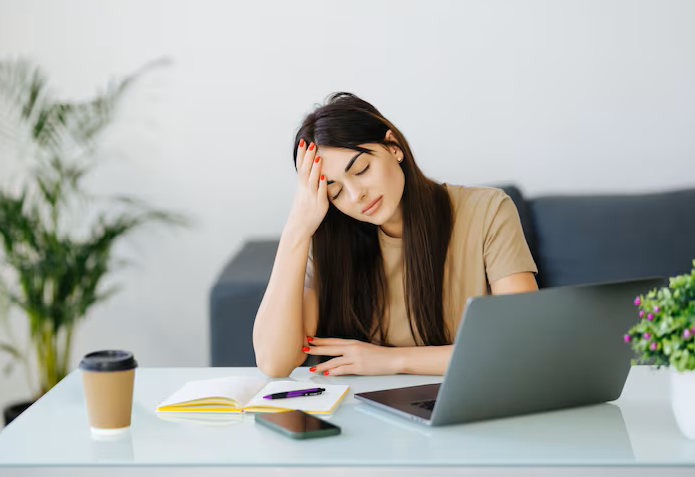
Common Signs of Anxiety and How to Cope Naturally
Recognize early signs of anxiety and discover natural ways to manage stress and restore mental balance
Anxiety is one of the most common mental health challenges today, affecting millions of people across India and the world. While occasional worry is a normal part of life, persistent feelings of fear, tension, or nervousness may indicate an anxiety disorder. Recognizing the signs early and adopting natural coping strategies can make a significant difference in mental well-being.
What is Anxiety?
Anxiety is the body’s natural response to stress, often described as a feeling of worry, nervousness, or unease. While short-term anxiety can motivate problem-solving, prolonged or excessive anxiety can interfere with daily life and overall health.
Common Signs of Anxiety
-
Constant Worrying
People with anxiety often find it hard to control their thoughts and may worry excessively about daily life situations. Even minor problems can feel overwhelming.
-
Restlessness or Feeling On Edge
A common physical symptom is a constant sense of tension or unease. You may feel like you can’t relax, even in safe or calm environments.
-
Rapid Heartbeat and Shortness of Breath
Anxiety can trigger physical reactions like a racing heart, chest tightness, or difficulty breathing. These symptoms sometimes mimic heart or respiratory problems, making early recognition important.
-
Difficulty Concentrating
Persistent anxiety can make it challenging to focus on tasks, remember things, or make decisions effectively.
-
Sleep Disturbances
Many people with anxiety struggle to fall asleep, stay asleep, or wake up feeling unrefreshed. Poor sleep can worsen anxiety in a vicious cycle.
-
Digestive Issues
Stress and anxiety often affect the gut, causing nausea, diarrhea, or irritable bowel symptoms.
-
Avoidance Behavior
Those experiencing anxiety may avoid social interactions, work situations, or activities they fear could trigger worry, which can impact daily life and relationships.
Natural Ways to Cope with Anxiety
-
Practice Mindfulness and Meditation
Mindfulness techniques and meditation help calm the mind, reduce racing thoughts, and improve emotional regulation. Just 10–15 minutes daily can make a noticeable difference.
-
Regular Exercise
Physical activity releases endorphins, which naturally boost mood and reduce stress. Activities like yoga, walking, swimming, or jogging are highly beneficial.
-
Maintain a Healthy Diet
A balanced diet rich in fruits, vegetables, whole grains, and lean protein supports mental health. Avoid excessive caffeine, sugar, or alcohol, which may worsen anxiety symptoms.
-
Deep Breathing Exercises
Breathing exercises, such as diaphragmatic breathing or the 4-7-8 technique, help lower heart rate and induce relaxation during anxious moments.
-
Limit Screen Time and Social Media
Reducing exposure to negative news and social media comparisons can decrease anxiety triggers. Create tech-free periods to relax and recharge.
-
Adequate Sleep
Aim for 7–8 hours of quality sleep per night. Maintaining a consistent sleep schedule and a calm bedtime routine supports mental resilience.
-
Connect with Loved Ones
Sharing your thoughts and feelings with trusted friends or family members provides emotional support and reduces feelings of isolation.
-
Journaling
Writing down worries or emotions can help organize thoughts, provide clarity, and reduce mental clutter.
When to Seek Professional Help
While natural strategies are effective for mild anxiety, persistent or severe anxiety may require professional intervention. Consider consulting a mental health professional if you experience:
-
Anxiety that disrupts daily activities
-
Panic attacks or intense fear episodes
-
Difficulty sleeping for extended periods
-
Physical symptoms like chest pain or dizziness
Final Thoughts
Anxiety is common, but recognizing the early signs and adopting natural coping strategies can improve mental and emotional well-being. Consistent mindfulness, exercise, and self-care can significantly reduce anxiety symptoms. Remember, seeking professional guidance is a sign of strength, not weakness.
Medical Disclaimer:
The information provided on Daksho is for educational and informational purposes only and is not a substitute for professional medical advice, diagnosis, or treatment. Always seek the advice of a qualified healthcare provider with any questions regarding a medical condition. Never ignore professional medical advice because of content you read on this website.
Reviewed by: Daksho Health Editorial Team
Last Updated: 24 Dec, 2025