How Gut Health Affects Your Overall Wellness
Why a Healthy Gut Is Key to Total Well-Being
Gut health has become a major topic in the world of nutrition and wellness—and for good reason. The gut is not just responsible for digesting food; it plays a vital role in immunity, mental health, energy levels, and overall well-being. Many experts even call the gut the body’s “second brain.”
For Indians, digestive issues like acidity, bloating, constipation, and poor nutrient absorption are common due to irregular eating habits, stress, and processed foods. Understanding how gut health affects your overall wellness can help you make better food and lifestyle choices for long-term health.
What Is Gut Health?
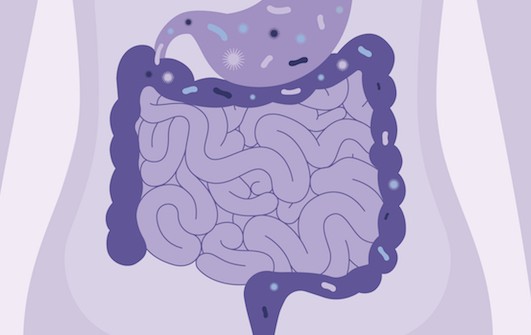
Gut health refers to the balance and proper functioning of the digestive system, especially the intestines. The gut contains trillions of microorganisms—bacteria, viruses, and fungi—collectively known as the gut microbiome.
A healthy gut has:
When this balance is disturbed, it can affect many parts of the body—not just digestion.
Why the Gut Is Called the “Second Brain”
The gut and brain are connected through the gut-brain axis, a communication network linking the digestive system and the nervous system.
-
The gut produces about 90% of serotonin, the hormone responsible for mood and happiness
-
Signals from the gut influence stress, anxiety, and mental clarity
-
Poor gut health can lead to brain fog, low mood, and fatigue
This is why digestive health is closely linked to emotional and mental well-being.
How Gut Health Affects Overall Wellness
1. Improves Digestion and Nutrient Absorption
A healthy gut ensures that food is broken down properly and nutrients like vitamins, minerals, and amino acids are absorbed efficiently.
Poor gut health can lead to:
-
Bloating and gas
-
Constipation or diarrhea
-
Nutrient deficiencies
Good digestion means better energy, stronger immunity, and healthier organs.
2. Strengthens the Immune System
About 70% of the immune system is located in the gut. Beneficial gut bacteria help fight harmful pathogens and support immune response.
A healthy gut:
-
Reduces frequent infections
-
Improves resistance to viruses and bacteria
-
Lowers inflammation in the body
This makes gut health essential for staying healthy year-round.
3. Supports Mental Health and Mood
Gut bacteria influence the production of neurotransmitters like serotonin and dopamine.
Poor gut health has been linked to:
-
Anxiety
-
Depression
-
Mood swings
-
Sleep problems
A balanced gut microbiome helps maintain emotional stability and mental clarity.
4. Helps Maintain a Healthy Weight
Gut bacteria play a role in:
An unhealthy gut may lead to:
-
Weight gain
-
Sugar cravings
-
Slow metabolism
Improving gut health can support healthy weight management naturally.
5. Reduces Inflammation and Chronic Disease Risk
An imbalanced gut can cause chronic low-grade inflammation, which is linked to conditions like:
-
Diabetes
-
Heart disease
-
Arthritis
-
Autoimmune disorders
Healthy gut bacteria help control inflammation and protect long-term health.
Signs of Poor Gut Health
Common signs that your gut may be unhealthy include:
Ignoring these signs can lead to long-term health problems.
Best Foods to Improve Gut Health
1. Probiotic-Rich Foods
Probiotics are live beneficial bacteria that support digestion.
Indian-friendly sources:
2. Prebiotic Foods
Prebiotics feed good gut bacteria and help them grow.
Sources:
-
Garlic
-
Onion
-
Banana
-
Oats
-
Whole grains
3. Fiber-Rich Foods
Fiber improves digestion and supports healthy gut movement.
Sources:
-
Fruits and vegetables
-
Legumes and lentils
-
Whole grains and seeds
4. Healthy Fats
Healthy fats reduce inflammation and support gut lining.
Sources:
-
Nuts and seeds
-
Olive oil
-
Fatty fish
5. Herbal and Natural Gut Soothers
-
Ginger improves digestion
-
Turmeric reduces inflammation
-
Fennel seeds relieve bloating
Foods That Harm Gut Health
Avoid or limit:
-
Excess sugar and sweets
-
Ultra-processed foods
-
Fried and oily foods
-
Artificial sweeteners
-
Excess alcohol
These foods can disturb gut bacteria and weaken digestion.
Lifestyle Habits That Improve Gut Health
-
Eat regular meals – Avoid long gaps and late-night eating
-
Chew food slowly – Improves digestion
-
Stay hydrated – Water supports bowel movement
-
Exercise regularly – Walking and yoga benefit gut health
-
Manage stress – Meditation and deep breathing help the gut-brain connection
-
Get enough sleep – Poor sleep affects gut bacteria balance
Gut Health Tips for Indians
-
Include curd or buttermilk daily
-
Eat seasonal fruits and vegetables
-
Limit spicy and oily foods
-
Follow traditional meal timings
-
Add fermented foods to your diet
-
Avoid unnecessary antibiotics
Conclusion
Gut health is the foundation of overall wellness. From digestion and immunity to mood and weight management, the gut influences almost every aspect of health. A balanced diet rich in fiber, probiotics, prebiotics, and whole foods, along with healthy lifestyle habits, can greatly improve gut function.
By taking care of your gut, you’re not just improving digestion—you’re investing in long-term physical, mental, and emotional well-being. Start with small changes today, and your body will thank you in the long run.
Medical Disclaimer:
The information provided on Daksho is for educational and informational purposes only and is not a substitute for professional medical advice, diagnosis, or treatment. Always seek the advice of a qualified healthcare provider with any questions regarding a medical condition. Never ignore professional medical advice because of content you read on this website.
Reviewed by: Daksho Health Editorial Team
Last Updated: 21 Jan, 2026