Understanding Depression: Symptoms, Causes & Ways to Seek Help
Learn to recognize the signs of depression, understand its causes, and explore effective ways to seek help and support for better mental hea
Depression is a common yet serious mental health condition that affects millions of people worldwide, including India. It goes beyond occasional sadness and can significantly impact daily life, relationships, and overall well-being. Early recognition of depression, understanding its causes, and knowing how to seek help can make a crucial difference in managing the condition effectively.
What is Depression?
Depression, also known as major depressive disorder (MDD), is more than just feeling sad or low. It is a persistent mental health disorder that affects mood, thoughts, energy levels, and behavior. People with depression often feel hopeless, lose interest in activities they once enjoyed, and struggle with daily responsibilities.
Common Symptoms of Depression
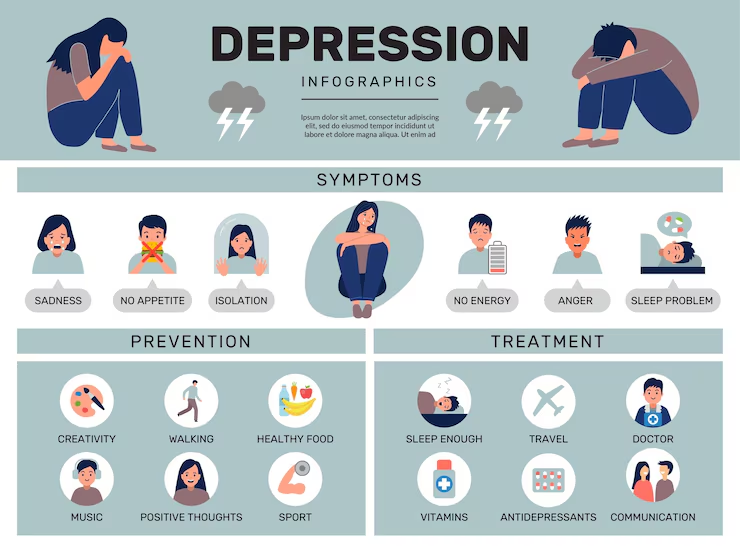
Recognizing depression early can help you or your loved ones seek timely support. Common signs include:
-
Persistent Sadness or Low Mood
Feeling down, empty, or tearful for most of the day, nearly every day.
-
Loss of Interest or Pleasure
Activities that once brought joy, such as hobbies or social interactions, may no longer be enjoyable.
-
Changes in Sleep Patterns
Insomnia, waking up too early, or excessive sleeping can all indicate depression.
-
Changes in Appetite or Weight
Significant weight loss or gain, or changes in eating habits, can be a symptom.
-
Fatigue or Low Energy
Feeling constantly tired, lethargic, or lacking motivation to carry out daily tasks.
-
Difficulty Concentrating
Trouble focusing, making decisions, or remembering things can occur.
-
Feelings of Worthlessness or Guilt
Excessive guilt, self-blame, or feelings of being inadequate.
-
Physical Symptoms
Unexplained aches, headaches, or digestive problems can be associated with depression.
-
Thoughts of Self-Harm or Suicide
In severe cases, depression may lead to thoughts of harming oneself or suicide, requiring immediate professional help.
Causes of Depression
Depression is caused by a combination of biological, psychological, and environmental factors. Common causes include:
-
Genetics
A family history of depression increases the risk of developing the condition.
-
Brain Chemistry
Imbalances in neurotransmitters such as serotonin, dopamine, and norepinephrine can affect mood regulation.
-
Traumatic Life Events
Loss of a loved one, financial problems, abuse, or major life changes can trigger depression.
-
Chronic Illness or Medical Conditions
Conditions like diabetes, heart disease, or cancer can increase the likelihood of developing depression.
-
Stress and Lifestyle Factors
High-stress environments, lack of social support, poor sleep, or unhealthy habits can contribute to depressive symptoms.
Ways to Seek Help and Treatment
Depression is treatable, and seeking help is the first step toward recovery.
-
Consult a Mental Health Professional
Psychiatrists, psychologists, or counselors can provide diagnosis and create a personalized treatment plan.
-
Therapy and Counseling
Cognitive-behavioral therapy (CBT), talk therapy, or interpersonal therapy (IPT) can help manage negative thoughts and emotions.
-
Medication
Antidepressants may be prescribed to help balance brain chemicals and improve mood.
-
Support Groups
Joining support groups can provide emotional support and reduce feelings of isolation.
-
Lifestyle Changes
Regular exercise, balanced diet, sufficient sleep, mindfulness practices, and social interaction can aid recovery.
-
Crisis Helplines
If experiencing thoughts of self-harm or suicide, reach out to local helplines or emergency services immediately.
Prevention and Self-Care Tips
While not all depression is preventable, certain habits can reduce its risk or help manage symptoms:
-
Stay physically active
-
Maintain strong social connections
-
Practice mindfulness and meditation
-
Avoid alcohol and substance abuse
-
Maintain a regular sleep schedule
-
Seek professional guidance early when symptoms appear
Final Thoughts
Depression is a serious but manageable mental health condition. Recognizing early signs, understanding underlying causes, and seeking appropriate help can significantly improve quality of life. Remember, asking for help is a sign of strength, not weakness.
If you or someone you know is struggling with depression, don’t wait—reach out to a mental health professional today. With timely intervention, support, and care, recovery is possible.
Medical Disclaimer:
The information provided on Daksho is for educational and informational purposes only and is not a substitute for professional medical advice, diagnosis, or treatment. Always seek the advice of a qualified healthcare provider with any questions regarding a medical condition. Never ignore professional medical advice because of content you read on this website.
Reviewed by: Daksho Health Editorial Team
Last Updated: 24 Dec, 2025