Heart Disease Risk in Indian Men: Warning Signs, Lifestyle Changes and Prevention Tips
Early Heart Risk Signs and Prevention Guide for Indian Men
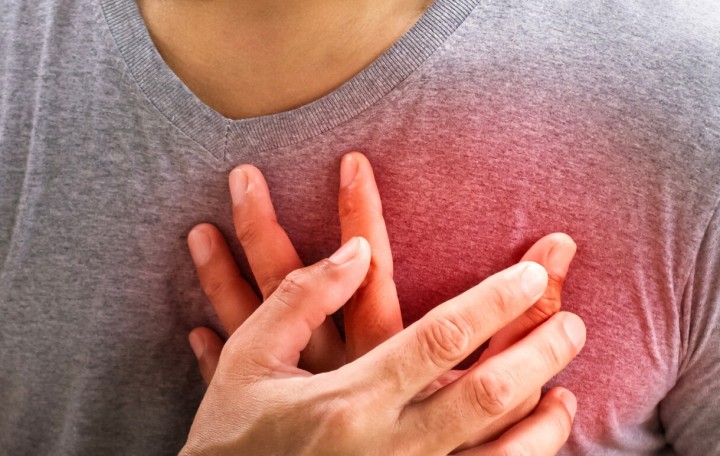
Heart disease has become one of the leading health concerns among Indian men, affecting individuals at increasingly younger ages. Changing lifestyle habits, rising stress levels and unhealthy dietary patterns have significantly increased the risk of cardiovascular problems. Many men remain unaware of early symptoms until serious complications occur, making awareness and prevention extremely important.
The encouraging reality is that heart disease is often preventable. By recognizing warning signs early, adopting healthier routines and maintaining regular health screenings, men can significantly reduce their risk and protect long-term heart health.
This comprehensive guide explains common risk factors, early symptoms and practical lifestyle strategies that Indian men can follow to keep their hearts strong and healthy.
Understanding Heart Disease
Heart disease refers to conditions affecting the heart and blood vessels, including coronary artery disease, heart attacks, high blood pressure and heart failure. These conditions often develop slowly over time due to blocked arteries, poor circulation or damage to heart muscles.
When cholesterol deposits accumulate inside blood vessels, they restrict blood flow. Reduced circulation forces the heart to work harder, eventually increasing the risk of serious cardiac events.
Why Indian Men Are at Higher Risk
Research suggests that Indian men may develop heart disease earlier compared to many other populations. Several factors contribute to this increased vulnerability.
Sedentary Work Culture
Many professionals spend long hours sitting at desks with minimal physical movement. Lack of activity weakens the cardiovascular system and promotes weight gain.
Unhealthy Dietary Patterns
Frequent consumption of fried foods, refined carbohydrates and high-sodium meals can increase cholesterol and blood pressure levels.
High Stress Levels
Work pressure, financial responsibilities and urban lifestyles create chronic stress, which negatively affects heart health.
Genetic Predisposition
Some Indian families have a higher risk of diabetes and cardiovascular disease, increasing susceptibility to heart problems.
Smoking and Alcohol Consumption
Tobacco use and excessive alcohol intake contribute significantly to damaged blood vessels and increased heart disease risk.
Early Warning Signs of Heart Disease in Men
Recognizing symptoms early can help prevent serious complications. Some common warning signs include:
-
Chest discomfort or tightness
-
Shortness of breath during mild activity
-
Fatigue or unusual tiredness
-
Dizziness or fainting spells
-
Irregular heartbeat
-
Pain in arms, neck or jaw
-
Swelling in legs or ankles
-
Persistent indigestion-like discomfort
-
Sudden sweating without exertion
Some men may experience mild symptoms that are often ignored. Regular health checkups can detect hidden issues even before symptoms appear.
Major Risk Factors for Heart Disease
High Blood Pressure
Elevated blood pressure damages arteries and forces the heart to work harder, increasing the likelihood of heart disease.
High Cholesterol Levels
Excess LDL cholesterol leads to plaque buildup inside arteries, restricting blood flow.
Diabetes
High blood sugar levels damage blood vessels and significantly increase cardiovascular risk.
Obesity and Excess Weight
Carrying extra body fat strains the heart and increases the chances of hypertension and metabolic disorders.
Lack of Physical Activity
Inactive lifestyles reduce heart efficiency and increase cholesterol levels.
Poor Sleep Patterns
Insufficient sleep disrupts hormone balance and increases blood pressure.
Importance of Regular Health Screening
Routine medical checkups help detect heart disease risk factors early. Indian men should consider regular screening for:
Early detection allows timely treatment and prevents complications.
Diet Strategies for a Healthy Heart
Choose Whole and Natural Foods
Eating fresh, home-cooked meals reduces intake of harmful fats and excess salt. Include a variety of fruits, vegetables and whole grains.
Increase Fiber Intake
Dietary fiber helps reduce cholesterol levels and improves digestion. Good sources include oats, lentils, brown rice and leafy greens.
Focus on Healthy Fats
Healthy fats support heart function and reduce inflammation.
Include:
Limit Salt and Sugar
Excess sodium raises blood pressure, while refined sugar contributes to weight gain and diabetes risk.
Include Potassium-Rich Foods
Potassium helps maintain balanced blood pressure levels. Bananas, spinach, coconut water and sweet potatoes are beneficial options.
Lifestyle Changes That Reduce Heart Disease Risk
Regular Physical Exercise
Engaging in at least 30 minutes of moderate activity most days improves heart strength and circulation. Activities like brisk walking, cycling, swimming or yoga are effective.
Maintain Healthy Body Weight
Losing even a small amount of weight can significantly reduce strain on the heart.
Stress Management
Relaxation techniques such as meditation, breathing exercises or spending time with family help control stress-related hormonal changes.
Quit Smoking
Stopping tobacco use improves blood vessel function and reduces heart attack risk.
Moderate Alcohol Consumption
Limiting alcohol helps maintain stable blood pressure and protects liver function.
Improve Sleep Quality
Adequate rest allows the body to repair and maintain cardiovascular balance.
Role of Mental Health in Heart Disease Prevention
Emotional stress and anxiety can lead to unhealthy habits like overeating, smoking or poor sleep. Managing mental well-being is essential for long-term heart health.
Helpful practices include:
-
Mindfulness and meditation
-
Counseling or therapy when needed
-
Maintaining hobbies and social connections
-
Practicing gratitude and relaxation
A balanced mental state supports overall physical wellness.
Importance of Physical Activity for Indian Men
Physical activity improves blood circulation, lowers cholesterol and helps control weight. Men can start with simple activities such as:
-
Daily morning walks
-
Climbing stairs instead of elevators
-
Stretching breaks during office hours
-
Weekend sports or outdoor activities
Consistency is more important than intensity.
When to Seek Immediate Medical Help
Seek urgent medical attention if experiencing:
-
Severe chest pain
-
Sudden shortness of breath
-
Extreme dizziness
-
Loss of consciousness
-
Pain spreading to shoulder or jaw
-
Sudden weakness or numbness
Prompt treatment can prevent life-threatening complications.
Daily Routine for a Healthy Heart
Morning:
Afternoon:
Evening:
Night:
Maintaining consistent daily habits supports long-term heart health.
Common Myths About Heart Disease in Men
Myth: Heart disease only affects older individuals
Reality: Younger men are increasingly affected due to lifestyle factors.
Myth: Fit-looking individuals cannot have heart problems
Reality: Hidden risk factors like high cholesterol may still exist.
Myth: Occasional chest pain is harmless
Reality: Any persistent discomfort should be evaluated by a doctor.
Long-Term Prevention Strategies
-
Maintain a balanced and nutritious diet
-
Engage in regular exercise
-
Monitor blood pressure and cholesterol
-
Manage diabetes effectively
-
Maintain healthy weight
-
Reduce stress levels
-
Avoid tobacco products
-
Attend annual medical checkups
Small daily changes can significantly lower long-term cardiovascular risk.
Final Thoughts
Heart disease risk among Indian men is rising due to modern lifestyle habits, stress and dietary patterns. However, many cases are preventable with early awareness and consistent healthy choices. Recognizing warning signs, maintaining balanced nutrition, staying physically active and managing mental well-being are essential steps toward protecting heart health.
Regular medical checkups and proactive lifestyle adjustments can help men detect risks early and prevent serious complications. By making gradual but meaningful changes in daily routines, Indian men can strengthen their cardiovascular system, improve overall wellness and enjoy a healthier, more active life for years to come.
Medical Disclaimer:
The information provided on Daksho is for educational and informational purposes only and is not a substitute for professional medical advice, diagnosis, or treatment. Always seek the advice of a qualified healthcare provider with any questions regarding a medical condition. Never ignore professional medical advice because of content you read on this website.
Reviewed by: Daksho Health Editorial Team
Last Updated: 09 Feb, 2026