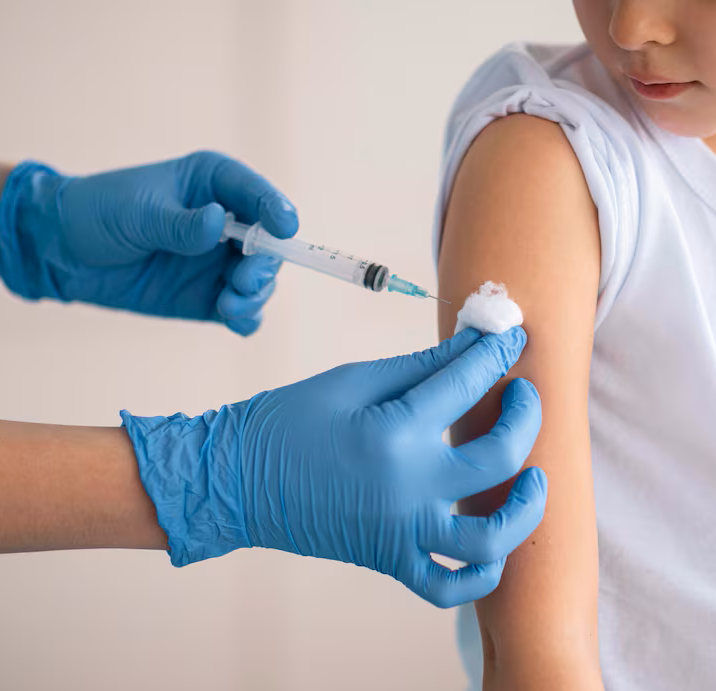
Essential Vaccination Schedule for Children You Must Know
Essential Vaccination Schedule for Children You Must Know
Vaccination is one of the most important steps parents can take to protect their child’s health. From birth through adolescence, vaccines help build strong immunity and protect children from serious and sometimes life-threatening diseases.
Many parents feel confused about which vaccines are needed, when they should be given, and why they matter. This guide explains the essential vaccination schedule for children in simple words, helping parents make informed decisions for their child’s well-being.
Why Vaccination Is Important for Children
Vaccines work by training the immune system to fight infections before a child gets sick. Childhood vaccines help:
-
Prevent serious diseases like measles, polio, and hepatitis
-
Reduce hospital visits and long-term complications
-
Protect other children through herd immunity
-
Save lives and support healthy growth
Vaccination is safe, effective, and recommended by doctors worldwide.
Vaccination Schedule: Birth to 18 Years
Below is a general vaccination schedule followed in India, based on recommendations from health authorities. Always consult your pediatrician for personalized advice.
Vaccines at Birth
BCG (Bacillus Calmette–Guérin)
OPV (Oral Polio Vaccine – Zero Dose)
-
Protects against polio
-
Given at birth
Hepatitis B (Birth Dose)
Why it matters: These vaccines protect newborns from severe infections during the most vulnerable stage of life.
Vaccines at 6 Weeks
-
DTP (Diphtheria, Tetanus, Pertussis)
-
IPV (Inactivated Polio Vaccine)
-
Hib (Haemophilus influenzae type b)
-
Hepatitis B (Second dose)
-
Rotavirus vaccine
-
Pneumococcal vaccine (PCV)
Benefits:
These vaccines protect against serious infections like pneumonia, meningitis, and whooping cough.
Vaccines at 10 Weeks
-
DTP (Second dose)
-
IPV (Second dose)
-
Hib (Second dose)
-
Rotavirus (Second dose)
-
PCV (Second dose)
This stage strengthens immunity started at 6 weeks.
Vaccines at 14 Weeks
-
DTP (Third dose)
-
IPV (Third dose)
-
Hib (Third dose)
-
Rotavirus (Final dose)
-
PCV (Third dose)
Tip for parents: Keep a vaccination card and ensure no dose is missed.
Vaccines at 6 Months
-
OPV booster
-
Hepatitis B (Third dose)
Some doctors may also recommend the influenza (flu) vaccine from this age.
Vaccines at 9 Months
Measles / MR Vaccine
Typhoid Conjugate Vaccine (TCV)
Why important: Measles can cause serious complications if not prevented early.
Vaccines at 12–15 Months
These vaccines prevent common childhood illnesses that can have long-term effects.
Vaccines at 16–18 Months
-
DTP Booster
-
IPV Booster
-
Hib Booster
Purpose: Boosters ensure long-lasting protection.
Vaccines at 2 Years
Vaccines at 4–6 Years
-
DTP Booster
-
OPV Booster
-
MMR Booster
-
Varicella Booster
This prepares children for school exposure and social interaction.
Vaccines for Adolescents (9–18 Years)
HPV Vaccine (for girls and boys)
Tdap Booster
Annual Flu Vaccine
Optional but Recommended Vaccines
Some vaccines may not be part of the government schedule but are often advised:
Your pediatrician can guide you based on location and risk factors.
Common Side Effects of Vaccines
Most vaccines cause mild and temporary side effects, such as:
These symptoms usually go away in 1–2 days. Serious side effects are very rare.
How to Prepare Your Child for Vaccination
-
Keep your child well-fed and rested
-
Carry vaccination records to every visit
-
Comfort your child before and after the shot
-
Ask the doctor about pain relief if needed
Myths About Childhood Vaccination
Myth 1: Vaccines cause serious diseases
Fact: Vaccines are tested for safety and do not cause the diseases they prevent.
Myth 2: Natural immunity is better
Fact: Natural infections can be dangerous. Vaccines provide protection without risk.
Myth 3: Too many vaccines weaken immunity
Fact: Children’s immune systems can safely handle multiple vaccines.
What If a Vaccine Is Missed?
If your child misses a vaccine dose:
Delaying vaccines increases the risk of infections.
Importance of Keeping Vaccination Records
Maintain a vaccination card or digital record to:
-
Track completed and upcoming vaccines
-
Provide proof for school admissions
-
Help doctors give proper care
When to Talk to a Pediatrician
Consult a doctor if:
-
Your child has a high fever after vaccination
-
There is persistent swelling or pain
-
You are unsure about vaccine timing
A pediatrician is your best guide for safe immunization.
Conclusion
Vaccination is a lifelong gift of protection you give your child. Following the essential vaccination schedule helps prevent dangerous diseases, supports healthy development, and builds a safer community.
By staying informed, keeping records, and working closely with your pediatrician, you can ensure your child grows up strong, healthy, and protected.
Medical Disclaimer:
The information provided on Daksho is for educational and informational purposes only and is not a substitute for professional medical advice, diagnosis, or treatment. Always seek the advice of a qualified healthcare provider with any questions regarding a medical condition. Never ignore professional medical advice because of content you read on this website.
Reviewed by: Daksho Health Editorial Team
Last Updated: 26 Dec, 2025