Anti-Inflammatory Foods to Add to Your Daily Meals
Natural Foods That Fight Inflammation Daily
Inflammation is the body’s natural response to injury, infection, or stress. While short-term inflammation helps the body heal, chronic inflammation can lead to serious health problems such as heart disease, diabetes, arthritis, obesity, and digestive disorders.
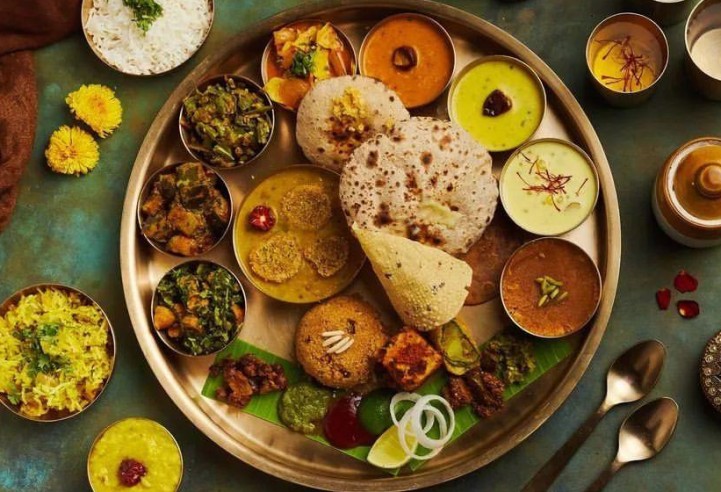
The good news is that what you eat can significantly reduce inflammation. A diet rich in natural, whole, and nutrient-dense foods helps control inflammation and supports overall health. In this article, we will explore the best anti-inflammatory foods you can easily add to your daily meals, especially suited for Indian lifestyles.
What Is Inflammation and Why It Matters
Inflammation occurs when the immune system sends white blood cells to protect the body. However, poor diet, stress, lack of exercise, and processed foods can keep inflammation active for long periods.
Chronic inflammation may cause:
Eating anti-inflammatory foods helps calm the immune response and keeps the body balanced and healthy.
Top Anti-Inflammatory Foods to Include Daily
1. Turmeric
Turmeric is one of the most powerful natural anti-inflammatory foods. It contains curcumin, a compound known to reduce inflammation and oxidative stress.
Benefits:
How to use:
Add turmeric to curries, vegetables, dal, or drink turmeric milk at night.
2. Ginger
Ginger has strong anti-inflammatory and antioxidant properties. It is especially helpful for digestion and pain relief.
Benefits:
How to use:
Use fresh ginger in tea, curries, soups, or warm water.
3. Leafy Green Vegetables
Leafy greens like spinach, methi, kale, and mustard greens are rich in vitamins, minerals, and antioxidants.
Benefits:
-
Reduces inflammation
-
Improves digestion
-
Boosts immunity
How to use:
Add them to sabzi, dal, soups, or smoothies.
4. Fatty Fish
Fish like salmon, sardines, mackerel, and rohu are rich in omega-3 fatty acids, which are known to fight inflammation.
Benefits:
How to use:
Consume fish 2–3 times a week, grilled or lightly cooked.
5. Nuts and Seeds
Almonds, walnuts, flaxseeds, chia seeds, and pumpkin seeds are excellent anti-inflammatory foods.
Benefits:
How to use:
Eat a small handful daily or add to salads, yogurt, or breakfast bowls.
6. Fruits Rich in Antioxidants
Fruits like berries, apples, oranges, papaya, and pomegranate help fight inflammation.
Benefits:
How to use:
Eat fresh fruits daily or add them to smoothies.
7. Olive Oil
Extra virgin olive oil is a healthy fat with strong anti-inflammatory properties.
Benefits:
How to use:
Use olive oil for salads, light cooking, or drizzling over food.
8. Yogurt and Fermented Foods
Curd (dahi), buttermilk (chaas), and fermented foods support gut health, which plays a major role in controlling inflammation.
Benefits:
-
Improves digestion
-
Strengthens immunity
-
Reduces gut inflammation
How to use:
Include plain curd or buttermilk daily.
9. Garlic
Garlic contains sulfur compounds that help reduce inflammation and boost immunity.
Benefits:
-
Fights infections
-
Reduces inflammation
-
Supports heart health
How to use:
Add raw or cooked garlic to curries, vegetables, or soups.
10. Whole Grains
Whole grains like oats, brown rice, millets (ragi, jowar, bajra) help control inflammation better than refined grains.
Benefits:
-
Improves gut health
-
Regulates blood sugar
-
Reduces inflammation
How to use:
Replace white rice and refined flour with whole grains.
Foods That Increase Inflammation (Limit These)
To reduce inflammation, it’s equally important to avoid certain foods:
These foods can trigger inflammation and weaken immunity.
Simple Anti-Inflammatory Daily Meal Plan
Breakfast:
Oats with fruits and nuts + green tea
Mid-Morning:
Fruit like apple or papaya
Lunch:
Brown rice or millet + dal + vegetable sabzi + curd
Evening Snack:
Roasted chana or nuts + herbal tea
Dinner:
Grilled fish or paneer + leafy vegetables + roti
Lifestyle Tips to Reduce Inflammation Naturally
-
Stay physically active
-
Get 7–8 hours of sleep
-
Manage stress through yoga or meditation
-
Drink enough water
-
Eat home-cooked meals
-
Avoid smoking and excess alcohol
Conclusion
Chronic inflammation is a silent cause of many modern health problems, but the solution lies in simple daily food choices. Including anti-inflammatory foods like turmeric, ginger, leafy greens, fruits, nuts, seeds, healthy fats, and fermented foods can significantly improve your health.
By following a balanced, natural, and traditional eating pattern, you can reduce inflammation, boost immunity, improve digestion, and support long-term wellness. Start by adding just a few of these foods to your daily meals—and let food become your natural medicine.
Medical Disclaimer:
The information provided on Daksho is for educational and informational purposes only and is not a substitute for professional medical advice, diagnosis, or treatment. Always seek the advice of a qualified healthcare provider with any questions regarding a medical condition. Never ignore professional medical advice because of content you read on this website.
Reviewed by: Daksho Health Editorial Team
Last Updated: 23 Jan, 2026